
Your toothbrush might look spotless, but it can be a breeding ground for harmful bacteria. From moisture retention to poor storage habits, traditional toothbrushes often collect microbes that pose real threats to your oral and overall health. This article explores where the risks lie, how bacteria build up on your brush, and what you can do to protect yourself. With smart innovations like BrushO, you can not only improve your brushing technique but also ensure a cleaner, healthier brushing environment every day.
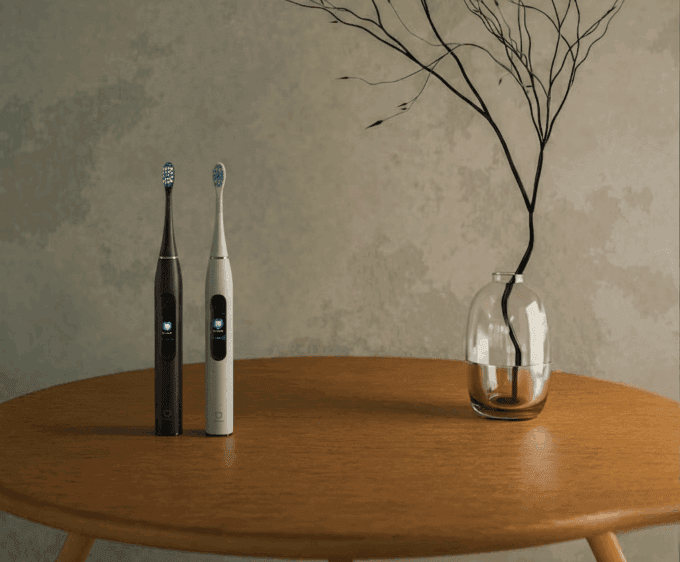
Your mouth contains over 700 species of bacteria—and when you brush your teeth, some of those microbes get transferred to your toothbrush. Add water, leftover toothpaste, and a humid bathroom environment, and you have the perfect storm for bacterial growth. In fact, studies have shown that toothbrushes can harbor E. coli, Staphylococcus aureus, and even yeast and mold.
Here are common ways bacteria accumulate:
• Moisture Retention: A damp brush stored in a closed cabinet or cup dries slowly, allowing microbes to thrive.
• Cross-Contamination: Storing multiple brushes together or in close proximity to a toilet can cause airborne bacteria to land on bristles.
• Touch Points: Hands, counters, and sink splash can introduce external contaminants.
• Improper Cleaning: Not rinsing or shaking off excess water leaves residue that encourages growth.
• Prolonged Use: Using the same brush head for over 3 months creates a bacterial buildup that even rinsing can’t fix.
Using a bacteria-laden toothbrush can:
• Reintroduce pathogens into your mouth daily.
• Worsen gum inflammation or periodontal disease.
• Aggravate canker sores or minor oral wounds.
• Increase the risk of systemic infections in immunocompromised individuals.
Traditional toothbrushes offer little to no insight into hygiene. BrushO changes that:
• Auto-Tracking Replacement Cycle: BrushO reminds you when it’s time to change the brush head, preventing extended use.
• Water-Resistant + Quick-Dry Design: Minimizes bacterial growth due to residual moisture.
• App Monitoring: Tracks brushing hygiene history and cleanliness scores.
• Touch-Free Charging Base: Avoids contact with dirty surfaces, unlike cup holders.
• UV or Antimicrobial Accessories (Optional): Combine BrushO with a sanitizer case for added protection.
These features not only protect your mouth but also establish data-backed oral care routines—ensuring you’re not just brushing, but brushing smart and clean.
Whether you use BrushO or not, adopt these hygiene habits:
• Store your toothbrush upright in open air.
• Avoid sharing or storing heads too close to others.
• Rinse thoroughly and let dry completely between uses.
• Replace brush heads every 2–3 months—or sooner if bristles fray.
• Keep brushes at least 6 feet from the toilet to avoid aerosolized particles.
Yes, your toothbrush can harbor dangerous bacteria—but it doesn’t have to. With the right habits and smarter tools like BrushO’s AI-powered smart toothbrush, you can turn a potentially risky routine into a clean, personalized wellness habit. Brushing your teeth shouldn’t reintroduce problems—it should prevent them.
Jan 20
Jan 20

The uncontrolled hypertension is the condition that the dental practice meets in the patient who presents with the elevated pressure that the guideline does not permit for the elective treatment, and the management of this patient requires the deferral of the dental procedure and the referral to ...

The closure of the extraction space in the orthodontic treatment is the phase that demands the careful selection of the mechanics and the monitoring of the force that the appliance delivers. The sliding mechanics that rely on the continuous archwire and the power chain that connects the brackets ...

The transverse discrepancy of the maxilla is the problem that the crowding and the posterior crossbite often hide, and the maxillary expansion is the treatment that addresses the width of the arch rather than the position of the individual tooth. The clinician who diagnoses the constriction early...

The local anaesthesia is the daily procedure that the modern dentistry treats as the routine, and the complications that follow it range from the transient and the trivial to the permanent and the serious. The clinician who injects by the habit without the anatomy in the mind is the clinician who...

The hypertension is the condition that the dental practice meets in the every day, and the patient who carries the elevated pressure without the symptoms is the patient who presents the risk that the chair-side measurement reveals. The dental team occupies the position that no other profession ho...

The glass-ceramic crown has become the default restoration for the anterior and the many posterior teeth, and the material selection within the family is the decision that determines the strength, the aesthetics, and the longevity of the result. The lithium disilicate, the leucite, and the zircon...

The dental phobia is the extreme form of the dental fear that prevents the patient from attending the treatment that the oral health requires, and the management of the phobia demands the skill that extends beyond the routine behaviour guidance. The systematic desensitization, the exposure therap...

The dental fear of the child is the condition that shapes the attitude for the lifetime, and the clinician who manages the first visits with the skill builds the patient who attends the recall without the dread. The fear that the child develops follows the many sources, and the practice that reco...

The patient with controlled hypertension is the patient who requires the dental care that the oral health demands and the treatment that the blood pressure permits, and the clinician who manages the controlled case safely follows the guideline that the evidence supports. The controlled hypertensi...

The ceramic veneer is the restoration that the aesthetic dentistry depends on, and the bond that retains the veneer on the enamel is the critical link that determines whether the restoration survives the function or fractures and debonds. The clinical technique from the preparation to the cementa...

Costruire rapidamente e a basso costo una rete di dati sulla salute orale in modo che tutti possano creare.
Costruire rapidamente e a basso costo una rete di dati sulla salute orale in modo che tutti possano creare.


Address: RM 1427, 14/F RADIO CITY 505, HENNESSY RD CAUSEWAY BAY, HONG KONG
Code: 000000
Phone: +852-53758652
Email: customerservice@brusho.com