
Whether you’re a weightlifter, runner, yogi, or HIIT enthusiast, your favorite workout is likely helping your heart, muscles, and mind. But did you know it might also be influencing your oral health—for better or worse? From mouth breathing and dehydration to dietary choices and jaw tension, exercise routines can have surprising effects on your teeth and gums. In this article, we’ll explore how different types of workouts can affect oral health and how AI-powered smart brushing with BrushO can help keep your smile strong, no matter how hard you train.
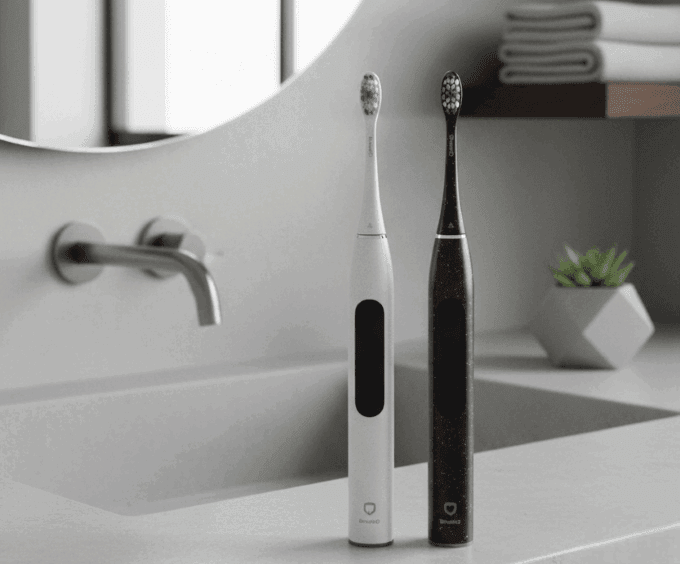
Exercise supports overall health, but its influence on the mouth is often overlooked. Some workout-related habits may unintentionally compromise oral wellness:
• Mouth breathing during intense training sessions can dry out the mouth.
• Frequent hydration with sports drinks introduces acids and sugars.
• Tension and grinding during strength training can wear down enamel.
• Protein-heavy diets in some workout regimens may impact oral pH.
Recognizing these connections can help athletes and fitness enthusiasts develop more comprehensive care routines.
During cardio workouts or high-intensity intervals, it’s common to breathe heavily through the mouth. While necessary for oxygen intake, this can lead to:
• Reduced saliva flow, which is critical for neutralizing acid and protecting enamel.
• Increased plaque buildup due to the dry environment.
• Higher cavity risk if dry mouth is chronic.
Tip: Hydrate with water frequently and brush properly post-workout to remove buildup.
Many fitness enthusiasts consume sports drinks or protein shakes, which are often high in sugars or acidic compounds.
• Acid erosion of enamel
• Sugar-fueled bacterial growth
• Increased plaque formation
Smart Solution: Rinse with water after consumption and wait 30 minutes before brushing to avoid brushing softened enamel.
On the flip side, workouts like yoga or Pilates involve nasal breathing and stress reduction, which:
• Promote saliva flow
• Reduce clenching and grinding
• Lower cortisol (stress hormone) that can otherwise trigger gum inflammation
These workouts are generally gentler on teeth, but brushing is still essential after snacking or sipping herbal teas common in these circles.
People lifting heavy weights often clench their jaws unconsciously, especially during max-effort sets or deadlifts. Over time, this can cause:
• Worn enamel
• Chipped teeth
• TMJ discomfort or jaw pain
• Use a mouthguard if you clench during lifting.
• Practice gentle brushing with BrushO’s pressure-sensitive mode to avoid aggravating enamel wear.
Keto, high-protein, or intermittent fasting diets are popular among fitness lovers—but they can also:
• Increase oral acidity
• Reduce saliva production (especially during fasting)
• Create dry mouth and bad breath
Smart brushing tools like BrushO can help you adjust:
• Use hydration reminders to support saliva flow.
• Switch to sensitive or deep-cleaning modes after workout meals.
Whether you train daily or weekly, BrushO’s smart brushing system adapts to your routine:
• Real-time feedback ensures full-mouth coverage even during rushed mornings.
• Gentle pressure sensors protect enamel worn by jaw tension.
• Brushing reminders keep you on track post-meal or post-workout.
• Gamified $BRUSH token rewards make oral care as motivating as your fitness goals.
To protect your oral health while pursuing fitness:
• Brush at least twice daily, especially after intense training or sugary drinks.
• Use fluoride toothpaste to strengthen enamel.
• Hydrate consistently—water is best.
• Floss daily to remove protein and sugar residue from meal-heavy days.
• Avoid brushing immediately after acidic drinks; wait 30 mins.
Exercise is vital to your body and mind—but your teeth deserve the same level of attention. By understanding the oral risks associated with your favorite workout routine, you can proactively adjust your hygiene habits. With AI-powered guidance from BrushO, you’ll ensure that every brushing session protects your enamel, supports gum health, and fits perfectly into your active lifestyle.
Jan 16
Jan 16

The uncontrolled hypertension is the condition that the dental practice meets in the patient who presents with the elevated pressure that the guideline does not permit for the elective treatment, and the management of this patient requires the deferral of the dental procedure and the referral to ...

The closure of the extraction space in the orthodontic treatment is the phase that demands the careful selection of the mechanics and the monitoring of the force that the appliance delivers. The sliding mechanics that rely on the continuous archwire and the power chain that connects the brackets ...

The transverse discrepancy of the maxilla is the problem that the crowding and the posterior crossbite often hide, and the maxillary expansion is the treatment that addresses the width of the arch rather than the position of the individual tooth. The clinician who diagnoses the constriction early...

The local anaesthesia is the daily procedure that the modern dentistry treats as the routine, and the complications that follow it range from the transient and the trivial to the permanent and the serious. The clinician who injects by the habit without the anatomy in the mind is the clinician who...

The hypertension is the condition that the dental practice meets in the every day, and the patient who carries the elevated pressure without the symptoms is the patient who presents the risk that the chair-side measurement reveals. The dental team occupies the position that no other profession ho...

The glass-ceramic crown has become the default restoration for the anterior and the many posterior teeth, and the material selection within the family is the decision that determines the strength, the aesthetics, and the longevity of the result. The lithium disilicate, the leucite, and the zircon...

The dental phobia is the extreme form of the dental fear that prevents the patient from attending the treatment that the oral health requires, and the management of the phobia demands the skill that extends beyond the routine behaviour guidance. The systematic desensitization, the exposure therap...

The dental fear of the child is the condition that shapes the attitude for the lifetime, and the clinician who manages the first visits with the skill builds the patient who attends the recall without the dread. The fear that the child develops follows the many sources, and the practice that reco...

The patient with controlled hypertension is the patient who requires the dental care that the oral health demands and the treatment that the blood pressure permits, and the clinician who manages the controlled case safely follows the guideline that the evidence supports. The controlled hypertensi...

The ceramic veneer is the restoration that the aesthetic dentistry depends on, and the bond that retains the veneer on the enamel is the critical link that determines whether the restoration survives the function or fractures and debonds. The clinical technique from the preparation to the cementa...


Address: RM 1427, 14/F RADIO CITY 505, HENNESSY RD CAUSEWAY BAY, HONG KONG
Code: 000000
Phone: +852-53758652
Email: customerservice@brusho.com
