
Gum health is more than a dental concern — it serves as a visible indicator of immune system function. Because the gums act as a frontline barrier between the external environment and the bloodstream, changes in immune response often appear here first. Persistent inflammation, slow healing, or bleeding gums may reflect systemic immune challenges rather than isolated oral issues. Understanding the biological connection between immune defense and periodontal tissue allows individuals to recognize early warning signs, improve preventive care, and adopt smarter hygiene practices that support both oral and whole-body health.
Gums are composed of highly vascularized soft tissue that constantly interacts with bacteria, food particles, and environmental pathogens. This makes them one of the body’s first immune defense zones.
Key roles include:
• Blocking bacterial entry into circulation
• Activating localized immune responses
• Signaling systemic inflammation
• Supporting microbial balance
Because of this constant exposure, immune irregularities often appear as gum changes before other symptoms develop.
When harmful bacteria accumulate, immune cells respond by:
• Releasing cytokines
• Increasing blood flow
• Triggering swelling and redness
This process helps neutralize pathogens but can damage tissue if prolonged.
Healthy immune response characteristics:
• Mild temporary inflammation
• Rapid healing
• Minimal bleeding
Imbalanced response characteristics:
• Chronic swelling
• Persistent bleeding
• Tissue breakdown
May indicate:
• Overactive inflammatory response
• Vitamin deficiency
• Reduced immune regulation
Often associated with:
• Immune suppression
• Chronic stress
• Metabolic conditions
Linked to systemic inflammatory load and immune imbalance, which research increasingly connects with:
• Cardiovascular health
• Metabolic disorders
• Autoimmune interactions
These signs warrant attention beyond cosmetic dental concerns.
Scientific research continues to demonstrate bidirectional relationships between gum health and systemic immunity.
Examples include:
• Periodontal inflammation elevating systemic inflammatory markers
• Oral bacteria entering circulation
• Immune dysregulation worsening gum breakdown
This reinforces the role of oral care in preventive health management.
Consistent plaque removal reduces immune burden and inflammatory activation.
Essential nutrients include:
• Vitamin C
• Vitamin D
• Zinc
• Omega-3 fatty acids
These support tissue repair and immune signaling.
Saliva contains immune components that regulate bacterial populations.
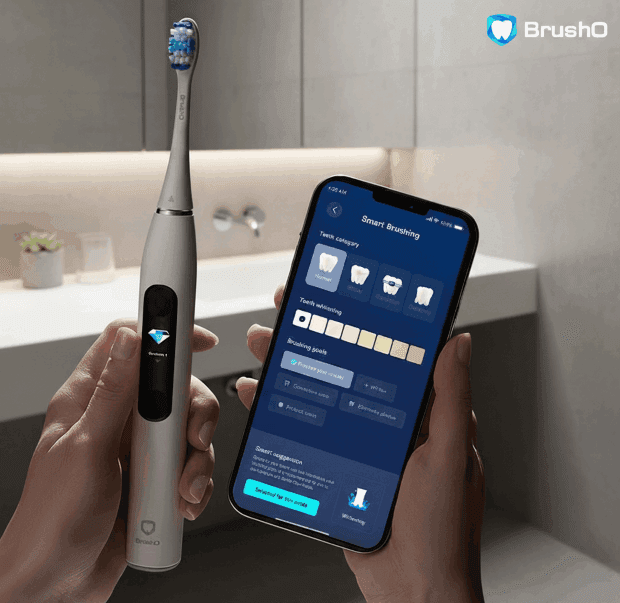
AI-guided brushing technologies like BrushO help reduce inflammatory triggers through improved hygiene precision.
Prevents tissue trauma that can worsen immune reactions.
Ensures complete bacterial removal along the gumlines.
Identify patterns linked to recurring inflammation.
Support gentle care for sensitive or vulnerable tissue.
These tools enable proactive gum protection aligned with immune health maintenance.
Persistent symptoms should not be ignored, especially if lasting beyond two weeks.
Consult dental professionals if experiencing:
• Ongoing bleeding
• Receding gums
• Chronic soreness
• Visible tissue changes
Early intervention prevents progression to periodontal disease.
Gums serve as an accessible window into immune system activity. Changes in color, sensitivity, or inflammation often reflect broader physiological responses rather than isolated dental issues. Recognizing these signals allows earlier lifestyle adjustments and professional care. Combining disciplined oral hygiene with intelligent monitoring tools such as BrushO supports both gum stability and systemic resilience. Protecting gum health ultimately contributes to maintaining immune balance and long-term wellness.
Feb 6
Feb 5

The uncontrolled hypertension is the condition that the dental practice meets in the patient who presents with the elevated pressure that the guideline does not permit for the elective treatment, and the management of this patient requires the deferral of the dental procedure and the referral to ...

The closure of the extraction space in the orthodontic treatment is the phase that demands the careful selection of the mechanics and the monitoring of the force that the appliance delivers. The sliding mechanics that rely on the continuous archwire and the power chain that connects the brackets ...

The transverse discrepancy of the maxilla is the problem that the crowding and the posterior crossbite often hide, and the maxillary expansion is the treatment that addresses the width of the arch rather than the position of the individual tooth. The clinician who diagnoses the constriction early...

The local anaesthesia is the daily procedure that the modern dentistry treats as the routine, and the complications that follow it range from the transient and the trivial to the permanent and the serious. The clinician who injects by the habit without the anatomy in the mind is the clinician who...

The hypertension is the condition that the dental practice meets in the every day, and the patient who carries the elevated pressure without the symptoms is the patient who presents the risk that the chair-side measurement reveals. The dental team occupies the position that no other profession ho...

The glass-ceramic crown has become the default restoration for the anterior and the many posterior teeth, and the material selection within the family is the decision that determines the strength, the aesthetics, and the longevity of the result. The lithium disilicate, the leucite, and the zircon...

The dental phobia is the extreme form of the dental fear that prevents the patient from attending the treatment that the oral health requires, and the management of the phobia demands the skill that extends beyond the routine behaviour guidance. The systematic desensitization, the exposure therap...

The dental fear of the child is the condition that shapes the attitude for the lifetime, and the clinician who manages the first visits with the skill builds the patient who attends the recall without the dread. The fear that the child develops follows the many sources, and the practice that reco...

The patient with controlled hypertension is the patient who requires the dental care that the oral health demands and the treatment that the blood pressure permits, and the clinician who manages the controlled case safely follows the guideline that the evidence supports. The controlled hypertensi...

The ceramic veneer is the restoration that the aesthetic dentistry depends on, and the bond that retains the veneer on the enamel is the critical link that determines whether the restoration survives the function or fractures and debonds. The clinical technique from the preparation to the cementa...


Address: RM 1427, 14/F RADIO CITY 505, HENNESSY RD CAUSEWAY BAY, HONG KONG
Code: 000000
Phone: +852-53758652
Email: customerservice@brusho.com
