
What happens if you don’t floss daily?
Many people skip flossing, thinking brushing alone is enough. The truth is, failing to floss allows food particles and plaque to build up between teeth, leading to gum disease, cavities, and bad breath. In this article, we’ll explain why flossing matters, the risks of ignoring it, and how smart electric toothbrushes like BrushO help reduce plaque buildup—even when you miss flossing.
Brushing cleans the surface of your teeth, but it cannot reach between teeth where plaque and bacteria thrive. Flossing removes hidden debris and prevents:
Dentists recommend flossing once a day for complete oral hygiene.
If flossing is skipped regularly:
Plaque Builds Up Fast 🦠
- Within 24–72 hours, soft plaque hardens into tartar, which brushing cannot remove.
Gums Become Irritated 🩸
- Food trapped between teeth irritates gum tissue, causing swelling and bleeding.
Risk of Gum Disease Increases ⚠️
- Untreated gingivitis can progress to periodontitis, leading to tooth loss.
Bad Breath Becomes Persistent 😬
- Bacteria in food particles release sulfur compounds, causing strong odors.
Skipping flossing occasionally isn’t disastrous, but making it a habit puts your oral health at risk.
Despite its importance, studies show fewer than 30% of adults floss daily. Common reasons include:
This is why finding supportive tools—like a smart toothbrush—can make a huge difference.
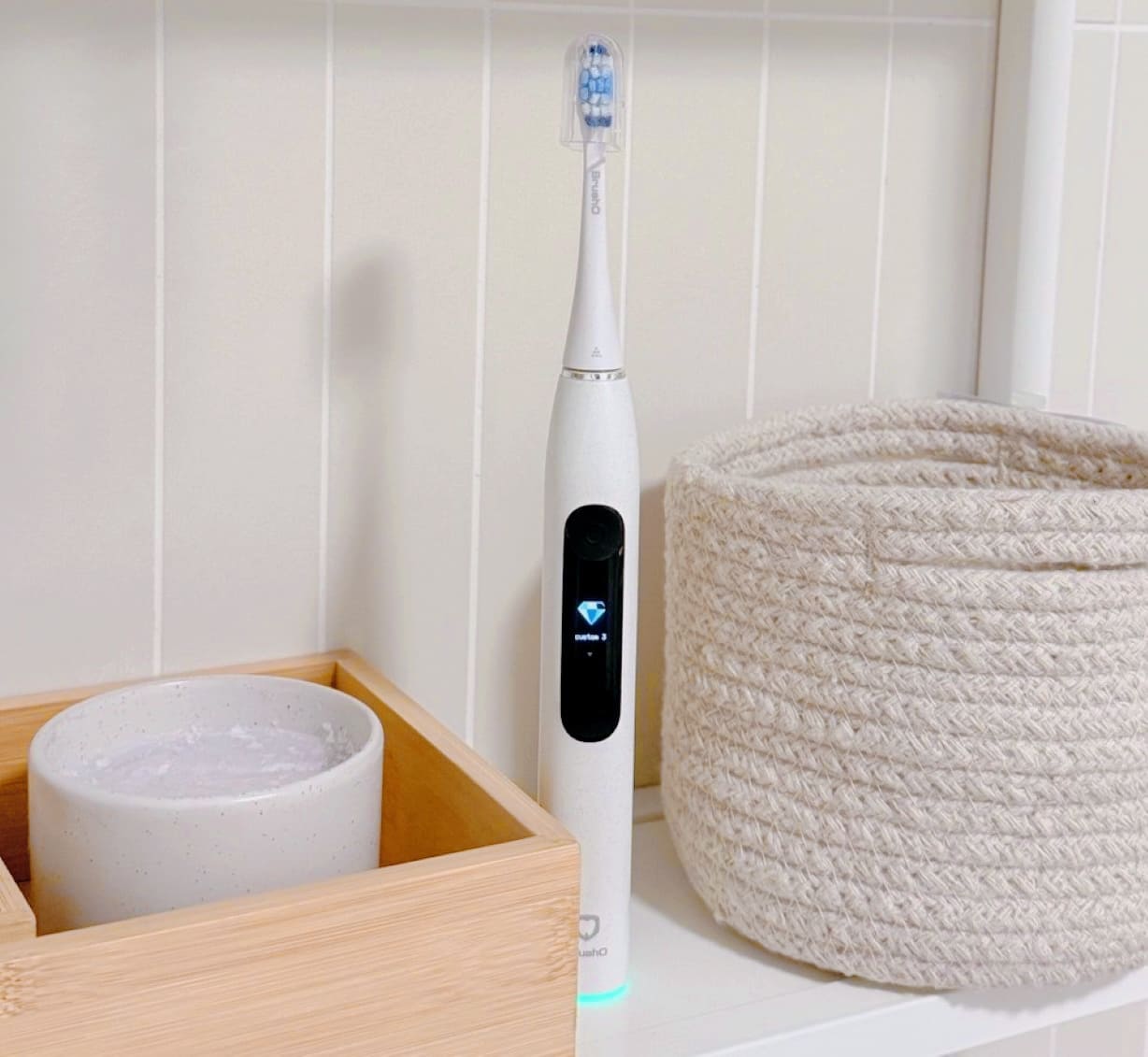
While nothing replaces flossing entirely, the BrushO AI-Powered Toothbrush helps reduce the risks of skipping:
This makes BrushO a practical partner for people who sometimes struggle to floss daily.
So, what happens if you don’t floss daily? Plaque buildup, gum irritation, bad breath, and higher risk of gum disease. While flossing is essential, tools like the BrushO AI-Powered Toothbrush provide advanced support to reduce plaque and protect your gums—helping you stay healthier even on days you skip flossing.
Instead of aiming for perfection, aim for consistency: pair flossing with smart brushing habits, and your smile will thank you. 😁
🫰 BrushO GET YOU
Aug 28
Aug 27

If you are thirsty after brushing, choose plain water. Plan your usual bedtime drink before brushing and skip the immediate rinse at the sink.

Waterpik recommends warm water for its flossers. Check your own model and use comfortably lukewarm water if cold water feels sharp.

Let an intact handle return to room temperature before you consider charging it. Check your manual and watch for signs of battery or housing damage.

Lift away the paste, check the care label, and use cool water on washable fabric. Here is a quick approach for a fresh spot.

Turn the brush off, then check the fit, the connection, and the condition of the head. A second compatible head can help you narrow it down.

Look for a clean, rigid container with a secure lid and keep it with your belongings. A napkin on a lunch tray is easy to clear away.

Check the care directions for your clear retainer. Clinics give different instructions, and the right cleaning method depends on the appliance you received.

Try a gentle rinse first. If the hull sits between teeth and floss moves freely, make a careful pass and stop if it still feels stuck.

A tight gap or rough edge can catch floss. Notice where it snags, keep the movement gentle, and find out when to ask your dentist to check.

Your first sip can taste sharp after brushing. Here is what may be changing and how to make breakfast taste like breakfast again.

모두가 쉽게 구축할 수 있는 방식으로 구강 건강 데이터 네트워크를 저렴한 비용으로 빠르게 구축하세요.


Address: RM 1427, 14/F RADIO CITY 505, HENNESSY RD CAUSEWAY BAY, HONG KONG
Code: 000000
Phone: +852-53758652
Email: customerservice@brusho.com