
Oral care is crucial for maintaining healthy teeth and gums, but brushing is often done incorrectly or inconsistently. Smart toothbrushes revolutionize oral hygiene by integrating AI-driven feedback, full-mouth coverage tracking, and real-time performance monitoring. These devices provide instant insights into brushing technique, pressure control, and duration, ensuring that you get the most out of your brushing routine. This article explores how smart toothbrushes, such as BrushO, enhance your oral care experience by making brushing more effective, personalized, and enjoyable. Smart toothbrushes offer an innovative solution by combining advanced technology with daily oral care, turning brushing into a more precise, data-driven routine. So, we’ll explore how smart toothbrushes improve your oral care experience by providing real-time feedback, full-mouth coverage tracking, and personalized brushing guidance.
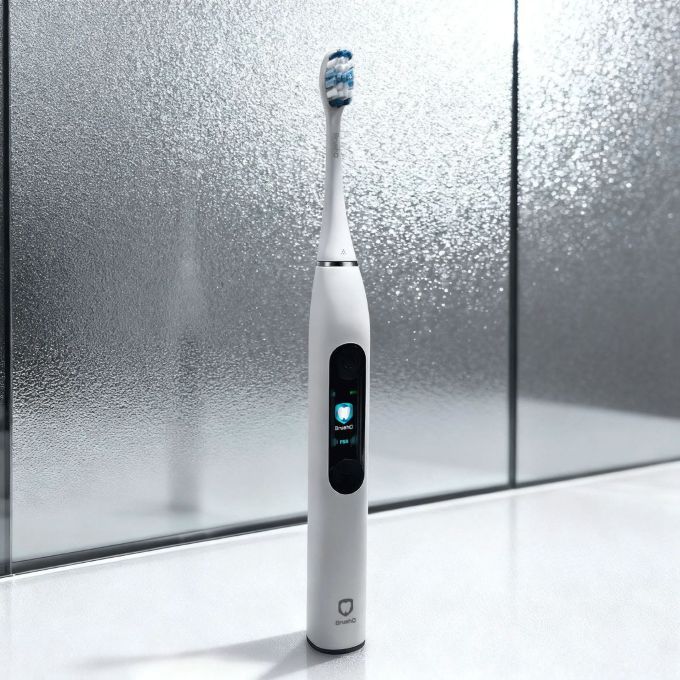
Traditional toothbrushes rely on manual effort and provide no guidance or feedback, leading to common brushing mistakes. These include:
Over time, these habits can contribute to oral health problems like plaque buildup, cavities, and gum disease. Fortunately, smart toothbrushes address these issues by providing real-time monitoring and personalized feedback.
One of the standout features of a smart toothbrush is its ability to provide real-time feedback during brushing. Smart toothbrushes, like BrushO, use built-in sensors to track the pressure applied, brushing duration, and coverage. This feedback helps users identify areas where they need improvement, ensuring that brushing is thorough and effective. For example:
By receiving this immediate, actionable feedback, users can adjust their technique and improve their overall brushing routine.
Every individual’s oral care needs are different, and smart toothbrushes cater to these unique requirements with customizable modes. BrushO, for example, offers a range of brushing modes designed for different goals:
These personalized modes ensure that you’re brushing in a way that addresses your specific oral health needs, whether you need a gentle approach or a more intensive clean.
One of the biggest challenges of brushing is making sure all areas of your mouth are properly cleaned. Many people miss certain areas, like the back molars, inner surfaces, or the gum line. Smart toothbrushes like BrushO use advanced sensors to track your brushing coverage, ensuring that all 6 zones and 16 tooth surfaces are properly cleaned. If you consistently miss certain areas, the toothbrush will provide feedback and guide you to improve your technique.
This level of coverage analysis ensures that your brushing routine is comprehensive, leaving no tooth uncleaned.
Smart toothbrushes don’t just provide real-time feedback—they also store and analyze your brushing data over time. With the BrushO app, you can track your brushing habits, monitor your progress, and review detailed performance reports. This data includes:
By having access to this information, you can track your progress, make adjustments, and stay motivated to maintain healthy oral care habits.
Smart toothbrushesoffer a wide range of benefits that go beyond just cleaning your teeth:
To fully benefit from a smart toothbrush, consistency is key. Here are some tips to help you get the most out of your new oral care routine:
With consistent use and the support of smart technology, you’ll be well on your way to achieving better oral health.
Smart toothbrushes are revolutionizing the way we approach oral care. By offering real-time feedback, full-mouth coverage tracking, and personalized brushing modes, these devices ensure that you’re brushing as effectively as possible. Whether you're looking to improve your brushing technique, maintain consistency, or track your progress, a smart toothbrush like BrushO can help you achieve healthier teeth and gums for the long term.
BrushO is an AI-powered smart toothbrush designed to enhance oral care through advanced technology. With features like pressure monitoring, personalized brushing modes, and full-mouth coverage tracking, BrushO provides real-time feedback to help you maintain optimal oral health. Additionally, the Brush & Earn rewards system motivates users to develop healthier brushing habits, turning daily oral care into a more engaging, effective routine.
Jan 16
Jan 16

Wisdom teeth, or third molars, are the last teeth to erupt, and a large proportion of them never achieve a functional position. When a wisdom tooth is trapped beneath the gum or bone, it is described as impacted, and the decision to remove it is one of the most common surgical judgments in dentis...

Disk displacement is the most common internal derangement of the temporomandibular joint (TMJ) and a frequent reason for orofacial pain consultations. Magnetic resonance imaging (MRI) is the accepted gold standard for confirming the position of the articular disk because it visualizes soft tissue...

Pulp sensibility testing remains the first diagnostic step before any endodontic intervention. Cold, heat and electric pulp tests (EPT) probe the neural response of the pulp through enamel and dentin, and their results decide whether a tooth needs root canal treatment, a direct pulp cap or simple...

Mouthguards protect teeth from sports trauma and night-time grinding, but a dirty guard can become a reservoir for bacteria, fungi and oral disease. Studies show that used mouthguards accumulate plaque, streptococci and Candida within days of normal wear, and poor hygiene has been linked to gingi...

Halitosis, or persistent bad breath, affects a large share of the adult population and carries real social and psychological consequences. In the vast majority of cases the source is the mouth itself, and the most important reservoir is the coating on the dorsal surface of the tongue. Understandi...

Root canal treatment succeeds only when instrumentation stops at the right place. Working length is the distance from a stable coronal reference point to the apical constriction, and every millimeter of error changes the outcome: over-instrumentation pushes debris and irrigant beyond the apex, wh...

Dry mouth is one of the most common complaints in dental practice, yet it is frequently underestimated. Xerostomia is the subjective feeling of oral dryness, while salivary hypofunction is the measurable reduction in saliva output, and the two do not always coincide. Because saliva protects teeth...

Diabetes affects more than blood sugar, and the mouth is often one of the first places where the disease makes itself known. The relationship is genuinely bidirectional: uncontrolled diabetes increases the risk and severity of periodontal disease, while severe gum inflammation makes blood sugar h...

Enamel is the hardest tissue in the human body, but it is not indestructible. Dental erosion is the chemical dissolution of enamel by acids that are not produced by bacteria, and modern diets supply those acids in abundance. Understanding how acidic foods and drinks attack the tooth surface is th...

A good toothbrush should work as well in a hotel bathroom as it does at home, and that is exactly what BrushO Travel Mode is designed to do. By lowering motor speed and trimming acoustic output, Travel Mode keeps the full two-minute cleaning routine in a form that is discreet enough for shared ro...

Build an oral health data network quickly and at low cost in a way that everyone can build.


Address: RM 1427, 14/F RADIO CITY 505, HENNESSY RD CAUSEWAY BAY, HONG KONG
Code: 000000
Phone: +852-53758652
Email: customerservice@brusho.com