
Teenagers often seem too young to worry about serious oral health problems—but when it comes to gum disease, they are one of the most vulnerable groups. From hormonal changes during puberty to poor brushing techniques and increased sugar consumption, several factors make teenagers more susceptible to gum inflammation, bleeding, and long-term gum damage. This article explores the common causes of gum issues in teens, warning signs to watch for, and practical solutions to prevent and reverse early gum problems. We’ll also show how using an AI-powered smart toothbrush like BrushO can help teens build healthier oral habits, catch problem areas early, and protect their gums through the most important years of dental development.
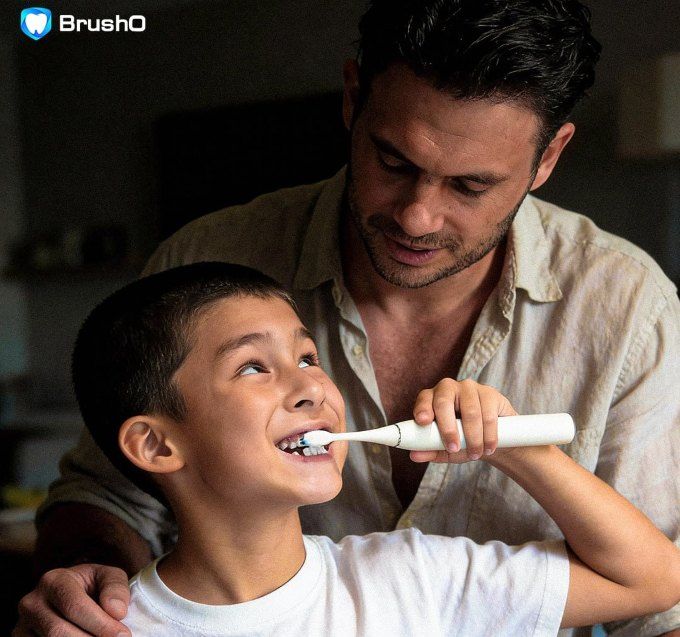
As teenagers go through puberty, hormonal fluctuations—especially increased levels of estrogen and testosterone—can heighten the body’s inflammatory response. This makes gums more sensitive to plaque and bacteria, increasing the likelihood of gingivitis, even with small amounts of buildup.
Many teens develop brushing and flossing routines that are rushed or inconsistent. They may neglect proper technique, skip brushing after snacks or meals, or avoid flossing altogether—allowing plaque to settle and cause gum irritation.
Teens often consume a diet rich in soft drinks, candy, processed snacks, and acidic beverages—all of which feed harmful bacteria and increase gum inflammation. Combined with poor brushing, this creates a perfect environment for early gum disease to develop.
Braces and other orthodontic devices make it harder to clean around teeth and gums effectively. Food particles and plaque can easily accumulate in areas that are hard to reach, leading to gum irritation and swelling.
• Red or swollen gums
• Bleeding while brushing or flossing
• Bad breath that doesn’t go away
• Receding gumline or longer-looking teeth
• Increased tooth sensitivity
Catching these signs early is crucial for preventing long-term damage.
Teens should brush at least twice a day for two full minutes, using gentle circular motions and a 45-degree angle to the gumline. They should also floss once daily and avoid brushing too hard.
Encourage healthier snack options like apples, carrots, and plain yogurt, and limit sugary drinks. Drinking water after meals can help reduce acid buildup.
Routine checkups help identify early gum issues, especially when teens wear braces or retainers. Professional cleanings remove plaque from hard-to-reach areas.
BrushO is an AI-powered smart toothbrush that makes it easier for teens to develop and maintain good oral care habits.
• Zone-by-Zone Guidance: Teaches teens to brush every area thoroughly, not just the front teeth.
• Real-Time Pressure Alerts: Prevents overbrushing, which can cause gum recession.
• Daily Feedback Reports: Shows missed zones, average brushing time, and consistency.
• Brush & Earn Rewards: Motivates teens by turning brushing into a gamified habit that earns $BRUSH tokens.
Smart brushing isn’t just about technology—it’s about creating lasting habits that will protect teeth and gums for life.
Gum disease isn’t just a problem for adults. Teenagers face unique risks due to hormones, diet, and brushing habits—but with proper education, better tools, and smart guidance, these risks can be dramatically reduced. By combining consistent oral hygiene with the intelligent feedback of BrushO, teens can maintain healthy gums well into adulthood.
Dec 31
Dec 31

If you are thirsty after brushing, choose plain water. Plan your usual bedtime drink before brushing and skip the immediate rinse at the sink.

Waterpik recommends warm water for its flossers. Check your own model and use comfortably lukewarm water if cold water feels sharp.

Let an intact handle return to room temperature before you consider charging it. Check your manual and watch for signs of battery or housing damage.

Lift away the paste, check the care label, and use cool water on washable fabric. Here is a quick approach for a fresh spot.

Turn the brush off, then check the fit, the connection, and the condition of the head. A second compatible head can help you narrow it down.

Look for a clean, rigid container with a secure lid and keep it with your belongings. A napkin on a lunch tray is easy to clear away.

Check the care directions for your clear retainer. Clinics give different instructions, and the right cleaning method depends on the appliance you received.

Try a gentle rinse first. If the hull sits between teeth and floss moves freely, make a careful pass and stop if it still feels stuck.

A tight gap or rough edge can catch floss. Notice where it snags, keep the movement gentle, and find out when to ask your dentist to check.

Your first sip can taste sharp after brushing. Here is what may be changing and how to make breakfast taste like breakfast again.

Build an oral health data network quickly and at low cost in a way that everyone can build.


Address: RM 1427, 14/F RADIO CITY 505, HENNESSY RD CAUSEWAY BAY, HONG KONG
Code: 000000
Phone: +852-53758652
Email: customerservice@brusho.com