
Vitamin supplements are widely consumed to support immunity, energy levels, and overall wellness. However, many chewable, gummy, and effervescent formulas contain acids that can unintentionally harm dental enamel. Prolonged exposure to low pH compounds softens tooth surfaces, disrupts remineralization, and accelerates erosion — often without noticeable symptoms in early stages. Understanding how acidic supplements interact with oral biology allows individuals to balance nutritional goals with dental protection. Strategic brushing routines, hydration, and advanced smart-brushing technologies can significantly reduce long-term damage risk.
Many vitamin products are engineered for rapid absorption or palatability, which often involves acidic formulations such as:
• Ascorbic acid (Vitamin C)
• Citric acid stabilizers
• Flavoring acids
• Effervescent carbonation agents
These compounds lower oral pH levels, temporarily softening enamel and increasing susceptibility to mechanical wear and bacterial attack.
Unlike dietary acids consumed during meals, supplements are often taken:
• Between meals
• Before bed
• Without rinsing afterward
This increases enamel exposure time.
When pH drops below critical thresholds (~5.5), enamel minerals begin dissolving, weakening structural integrity.
Brushing immediately after acidic exposure can remove softened enamel layers, accelerating long-term thinning.
Acidic environments encourage plaque bacteria that thrive in low pH conditions, elevating cavity risk.
As enamel erodes, dentin exposure leads to temperature sensitivity and discomfort.
Remain in direct contact with teeth, prolonging acid exposure.
Sticky texture traps acids and sugars along gumlines and molars.
Carbonation and acidity lower oral pH rapidly.
Extended sipping increases exposure duration.
Capsules and swallowed tablets generally pose minimal dental risk.
• Increased tooth sensitivity
• Surface dullness or translucency
• Edge thinning
• Yellowing from dentin visibility
• Higher plaque retention
Early recognition allows preventive adjustments before irreversible erosion develops.
• Consume supplements with meals
• Avoid bedtime use
• Reduce frequency of exposure
• Rinse with water afterward
• Chew sugar-free gum
• Maintain hydration
Wait 30–60 minutes before brushing to allow enamel remineralization.
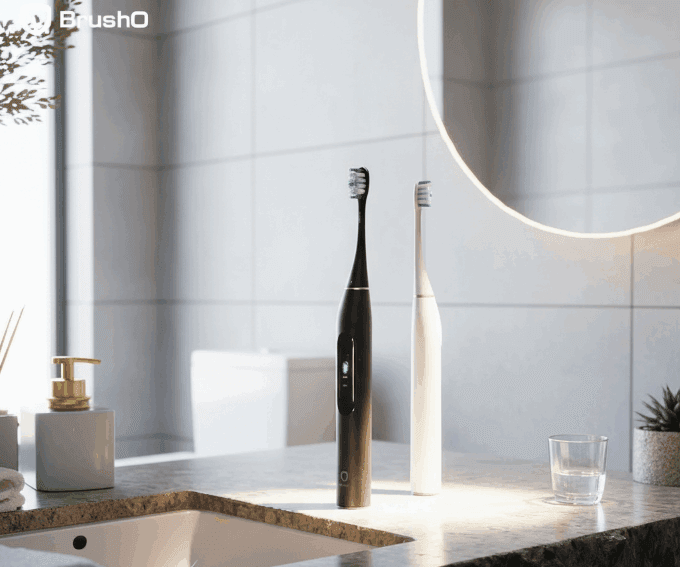
Smart brushing tools such as BrushO enhance enamel protection through:
• Pressure monitoring prevents abrasion
• Zone mapping eliminating plaque accumulation
• Personalized brushing modes for sensitivity
• Habit analytics identifying risk behaviors
These capabilities support enamel stability while maintaining hygiene effectiveness.
Modern wellness habits increasingly include supplements, yet oral impact awareness remains limited.
Balancing nutritional benefits with dental protection requires:
• Education on acidity exposure
• Preventive brushing behavior
• Intelligent oral-care technology integration
This approach ensures overall wellness does not come at the cost of enamel integrity.
Acidic vitamin supplements can unintentionally contribute to enamel erosion, sensitivity, and cavity risk when consumed improperly. The damage arises not from nutrients themselves, but from formulation acidity and exposure patterns. By adjusting timing, rinsing appropriately, delaying brushing, and utilizing guided smart-brushing systems such as BrushO, individuals can maintain both nutritional and dental health. Supporting your body should never compromise your smile — informed oral care ensures both thrive together.
Feb 6
Feb 6

The uncontrolled hypertension is the condition that the dental practice meets in the patient who presents with the elevated pressure that the guideline does not permit for the elective treatment, and the management of this patient requires the deferral of the dental procedure and the referral to ...

The closure of the extraction space in the orthodontic treatment is the phase that demands the careful selection of the mechanics and the monitoring of the force that the appliance delivers. The sliding mechanics that rely on the continuous archwire and the power chain that connects the brackets ...

The transverse discrepancy of the maxilla is the problem that the crowding and the posterior crossbite often hide, and the maxillary expansion is the treatment that addresses the width of the arch rather than the position of the individual tooth. The clinician who diagnoses the constriction early...

The local anaesthesia is the daily procedure that the modern dentistry treats as the routine, and the complications that follow it range from the transient and the trivial to the permanent and the serious. The clinician who injects by the habit without the anatomy in the mind is the clinician who...

The hypertension is the condition that the dental practice meets in the every day, and the patient who carries the elevated pressure without the symptoms is the patient who presents the risk that the chair-side measurement reveals. The dental team occupies the position that no other profession ho...

The glass-ceramic crown has become the default restoration for the anterior and the many posterior teeth, and the material selection within the family is the decision that determines the strength, the aesthetics, and the longevity of the result. The lithium disilicate, the leucite, and the zircon...

The dental phobia is the extreme form of the dental fear that prevents the patient from attending the treatment that the oral health requires, and the management of the phobia demands the skill that extends beyond the routine behaviour guidance. The systematic desensitization, the exposure therap...

The dental fear of the child is the condition that shapes the attitude for the lifetime, and the clinician who manages the first visits with the skill builds the patient who attends the recall without the dread. The fear that the child develops follows the many sources, and the practice that reco...

The patient with controlled hypertension is the patient who requires the dental care that the oral health demands and the treatment that the blood pressure permits, and the clinician who manages the controlled case safely follows the guideline that the evidence supports. The controlled hypertensi...

The ceramic veneer is the restoration that the aesthetic dentistry depends on, and the bond that retains the veneer on the enamel is the critical link that determines whether the restoration survives the function or fractures and debonds. The clinical technique from the preparation to the cementa...

Construa uma rede de dados de saúde bucal rapidamente e com baixo custo de forma que todos possam construir.
Construa uma rede de dados de saúde bucal rapidamente e com baixo custo de forma que todos possam construir.


Address: RM 1427, 14/F RADIO CITY 505, HENNESSY RD CAUSEWAY BAY, HONG KONG
Code: 000000
Phone: +852-53758652
Email: customerservice@brusho.com