
Facial aging is often associated with skin elasticity loss and bone density changes, but oral health — particularly gum integrity — plays a crucial yet overlooked role. Gum recession alters tooth support, affects jaw stability, and contributes to structural changes that influence facial contours over time. Emerging dental and anatomical research highlights the connection between periodontal health and aesthetic aging markers such as lip collapse, smile narrowing, and lower facial volume loss. Understanding this relationship empowers individuals to protect both functional oral health and long-term facial appearance through preventive hygiene, monitoring, and modern smart brushing technologies.
Gum loss — commonly referred to as gum recession — occurs when gum tissue pulls away from teeth, exposing more of the tooth or root surface. This process may result from:
• Periodontal disease
• Aggressive brushing
• Plaque accumulation
• Aging-related tissue changes
• Genetic predisposition
Gum tissue serves as structural support, protection against bacteria, and a stabilizing component of facial anatomy. Its loss impacts more than dental comfort.
Healthy gums anchor teeth within the jaw. When tissue recedes:
• Tooth positioning may shift
• Bite alignment can change
• Jawbone stimulation decreases
These effects gradually influence facial symmetry and contour.
Chronic gum disease may lead to bone resorption — the body breaking down jawbone tissue due to inflammation or reduced stimulation.
This contributes to:
• Hollowed lower face appearance
• Reduced chin and lip support
• Premature structural aging
Jawbone loss is one of the most overlooked contributors to aging perception.
Gum recession can cause:
• Narrower smile width
• Lip sagging due to reduced support
• Teeth appearing longer or uneven
• Altered facial expression dynamics
These visual shifts influence perceived age even without skin aging.
Monitoring gum health helps prevent long-term structural impact. Indicators include:
• Increased tooth length visibility
• Sensitivity near the gumline
• Gum bleeding or inflammation
• Shifting bite alignment
• Changes in smile balance
Addressing these signs early protects both function and aesthetics.
Gentle pressure and gumline targeting reduce mechanical damage.
Bacterial accumulation is the primary driver of periodontal breakdown.
Tissue resilience depends on systemic health and micronutrient balance.
Professional monitoring detects early structural changes before irreversible loss occurs.
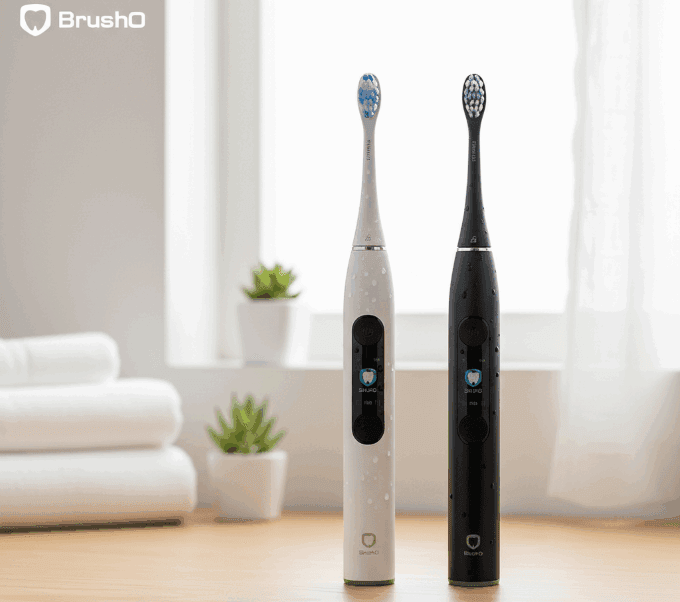
AI-guided brushing tools like BrushO support gum preservation through precision monitoring:
Prevent excessive force that contributes to recession.
Ensures gumline coverage where plaque accumulation often begins.
Gentler settings protect sensitive tissue.
Long-term tracking reveals behaviors that may stress gums.
Smart technology helps convert preventive awareness into daily action.
Maintaining gum integrity supports:
• Facial structural stability
• Smile aesthetics
• Tooth longevity
• Bone preservation
• Confidence in appearance
Oral health should be viewed as part of holistic aging management rather than isolated dental maintenance.
Gum loss is not merely a dental concern — it influences facial architecture, jaw support, and visible aging markers. Protecting periodontal health safeguards both functional wellness and aesthetic longevity. By combining consistent hygiene habits, preventive monitoring, and intelligent brushing guidance through technologies like BrushO, individuals can maintain healthier gums and preserve facial structure over time. True anti-aging begins with foundational health — and that includes the tissues supporting your smile.
Feb 5
Feb 5

The uncontrolled hypertension is the condition that the dental practice meets in the patient who presents with the elevated pressure that the guideline does not permit for the elective treatment, and the management of this patient requires the deferral of the dental procedure and the referral to ...

The closure of the extraction space in the orthodontic treatment is the phase that demands the careful selection of the mechanics and the monitoring of the force that the appliance delivers. The sliding mechanics that rely on the continuous archwire and the power chain that connects the brackets ...

The transverse discrepancy of the maxilla is the problem that the crowding and the posterior crossbite often hide, and the maxillary expansion is the treatment that addresses the width of the arch rather than the position of the individual tooth. The clinician who diagnoses the constriction early...

The local anaesthesia is the daily procedure that the modern dentistry treats as the routine, and the complications that follow it range from the transient and the trivial to the permanent and the serious. The clinician who injects by the habit without the anatomy in the mind is the clinician who...

The hypertension is the condition that the dental practice meets in the every day, and the patient who carries the elevated pressure without the symptoms is the patient who presents the risk that the chair-side measurement reveals. The dental team occupies the position that no other profession ho...

The glass-ceramic crown has become the default restoration for the anterior and the many posterior teeth, and the material selection within the family is the decision that determines the strength, the aesthetics, and the longevity of the result. The lithium disilicate, the leucite, and the zircon...

The dental phobia is the extreme form of the dental fear that prevents the patient from attending the treatment that the oral health requires, and the management of the phobia demands the skill that extends beyond the routine behaviour guidance. The systematic desensitization, the exposure therap...

The dental fear of the child is the condition that shapes the attitude for the lifetime, and the clinician who manages the first visits with the skill builds the patient who attends the recall without the dread. The fear that the child develops follows the many sources, and the practice that reco...

The patient with controlled hypertension is the patient who requires the dental care that the oral health demands and the treatment that the blood pressure permits, and the clinician who manages the controlled case safely follows the guideline that the evidence supports. The controlled hypertensi...

The ceramic veneer is the restoration that the aesthetic dentistry depends on, and the bond that retains the veneer on the enamel is the critical link that determines whether the restoration survives the function or fractures and debonds. The clinical technique from the preparation to the cementa...

Быстро и недорого построить сеть данных о здоровье зубов, способную создавать каждый.


Address: RM 1427, 14/F RADIO CITY 505, HENNESSY RD CAUSEWAY BAY, HONG KONG
Code: 000000
Phone: +852-53758652
Email: customerservice@brusho.com