
Bad breath, medically known as halitosis, is often associated with poor oral hygiene or diet. However, one of the most overlooked causes of persistent bad breath is sinus problems. Conditions like sinus infections, allergies, or chronic sinusitis can lead to postnasal drip and bacterial buildup in the throat and mouth, triggering unpleasant odors that are difficult to eliminate through regular brushing alone. This article explores how sinus issues cause bad breath, why proper oral hygiene isn’t always enough, and what you can do to manage the problem more effectively.
Sinus-related bad breath usually stems from postnasal drip, where mucus from inflamed or infected sinuses drains down the throat. This thick mucus can:
• Serve as a food source for anaerobic bacteria in the mouth and throat.
• Create a coated tongue and throat lining, both of which trap odor-causing bacteria.
• Lead to throat irritation, coughing, or inflammation—all contributing to a dry mouth and further odor production.
In addition, chronic sinus infections often involve bacterial overgrowth in the nasal passages. These bacteria can emit volatile sulfur compounds (VSCs)—the same type of foul-smelling gases associated with typical bad breath.
You may suspect your bad breath is sinus-related if you experience:
• Chronic nasal congestion or facial pressure
• Postnasal drip, especially in the morning
• Dry mouth or a coated tongue
• Bitter taste in the mouth
• White or yellow mucus discharge
• Halitosis that persists even after brushing and flossing
Even if your brushing habits are perfect, sinus-related halitosis may persist due to the deeper cause—bacteria from your sinuses and mucus buildup. Brushing alone won’t eliminate odor if:
• Bacteria reside in your throat or nasal passages.
• Mucus consistently drips down overnight.
• You sleep with your mouth open, leading to dry mouth and bacterial growth.
• Use saline nasal rinses or neti pots to clear nasal passages.
• Treat allergies that may cause inflammation and mucus buildup.
• Consult a doctor if you suspect a chronic sinus infection—antibiotics or nasal corticosteroids may be needed.
• Clean the tongue thoroughly using a tongue scraper or soft brush.
• Rinse with antibacterial or oxygenating mouthwashes to combat sulfur-producing bacteria.
• Stay hydrated to prevent dry mouth and aid mucus thinning.
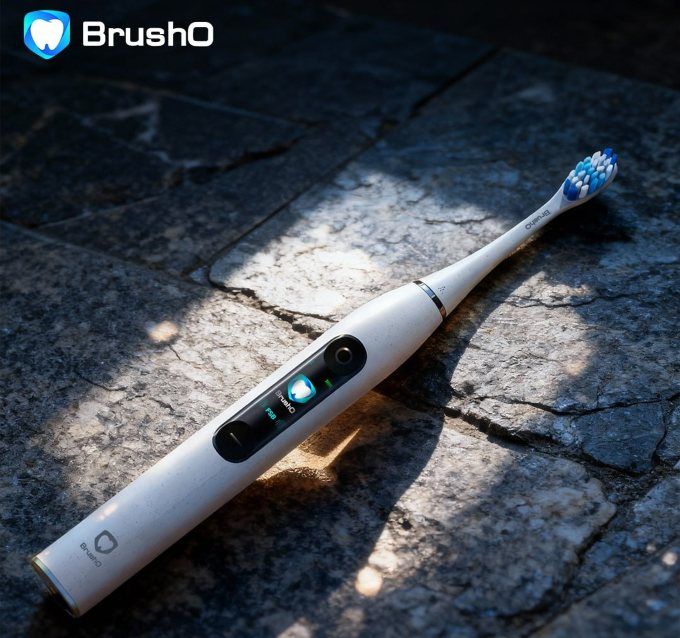
If you’re using a regular toothbrush, you may be missing areas where postnasal drip accumulates. A smart toothbrush like BrushO can help:
• FSB technology ensures full-mouth coverage, including gumlines and the back of the mouth.
• The BrushO App detects neglected zones and encourages better technique.
• Gentle brushing modes help soothe irritated throats or gums from sinus-related discomfort.
If sinus-related bad breath persists despite home care, consult an ENT specialist. They can rule out conditions like nasal polyps, chronic infections, or deviated septum—all of which can obstruct mucus flow and worsen odor. Additionally, regular visits to your dentist ensure you’re not also dealing with periodontal issues that might exacerbate halitosis.
Bad breath isn’t always about your brushing habits—it can be a signal of something deeper, like sinus inflammation or infection. By addressing sinus health and combining it with smart oral care, such as using BrushO’s advanced technology, you can tackle halitosis from every angle. Remember, fresh breath starts with a clear nose and a clean mouth.

The uncontrolled hypertension is the condition that the dental practice meets in the patient who presents with the elevated pressure that the guideline does not permit for the elective treatment, and the management of this patient requires the deferral of the dental procedure and the referral to ...

The closure of the extraction space in the orthodontic treatment is the phase that demands the careful selection of the mechanics and the monitoring of the force that the appliance delivers. The sliding mechanics that rely on the continuous archwire and the power chain that connects the brackets ...

The transverse discrepancy of the maxilla is the problem that the crowding and the posterior crossbite often hide, and the maxillary expansion is the treatment that addresses the width of the arch rather than the position of the individual tooth. The clinician who diagnoses the constriction early...

The local anaesthesia is the daily procedure that the modern dentistry treats as the routine, and the complications that follow it range from the transient and the trivial to the permanent and the serious. The clinician who injects by the habit without the anatomy in the mind is the clinician who...

The hypertension is the condition that the dental practice meets in the every day, and the patient who carries the elevated pressure without the symptoms is the patient who presents the risk that the chair-side measurement reveals. The dental team occupies the position that no other profession ho...

The glass-ceramic crown has become the default restoration for the anterior and the many posterior teeth, and the material selection within the family is the decision that determines the strength, the aesthetics, and the longevity of the result. The lithium disilicate, the leucite, and the zircon...

The dental phobia is the extreme form of the dental fear that prevents the patient from attending the treatment that the oral health requires, and the management of the phobia demands the skill that extends beyond the routine behaviour guidance. The systematic desensitization, the exposure therap...

The dental fear of the child is the condition that shapes the attitude for the lifetime, and the clinician who manages the first visits with the skill builds the patient who attends the recall without the dread. The fear that the child develops follows the many sources, and the practice that reco...

The patient with controlled hypertension is the patient who requires the dental care that the oral health demands and the treatment that the blood pressure permits, and the clinician who manages the controlled case safely follows the guideline that the evidence supports. The controlled hypertensi...

The ceramic veneer is the restoration that the aesthetic dentistry depends on, and the bond that retains the veneer on the enamel is the critical link that determines whether the restoration survives the function or fractures and debonds. The clinical technique from the preparation to the cementa...

สร้างเครือข่ายข้อมูลสุขภาพช่องปากอย่างรวดเร็วและต้นทุนต่ำในวิธีที่ทุกคนสามารถสร้างได้


Address: RM 1427, 14/F RADIO CITY 505, HENNESSY RD CAUSEWAY BAY, HONG KONG
Code: 000000
Phone: +852-53758652
Email: customerservice@brusho.com