
Toothbrushing is one of the most familiar health routines in daily life, yet research consistently shows that brushing quality often falls short of expectations. Many individuals equate frequency with effectiveness, assuming that brushing twice a day guarantees proper oral hygiene. In reality, plaque removal efficiency depends on technique, coverage, pressure control, and behavioral consistency — factors rarely self-monitored accurately. This article explores the psychological and biological reasons people overestimate their brushing performance, examines overlooked aspects of the oral ecosystem, and outlines evidence-based strategies for improving cleaning outcomes. With advances in guided brushing technologies such as BrushO, users can transition from perception-based routines to data-driven oral care that protects long-term dental health.
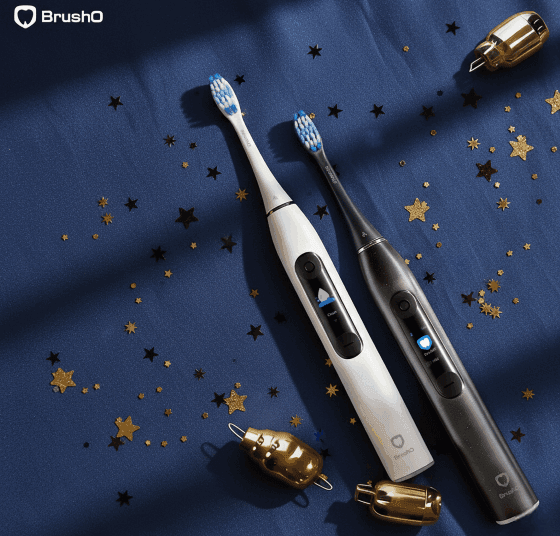
Brushing feels straightforward, leading many individuals to assume they perform it correctly. This creates a cognitive bias known as perceived competence, where familiarity leads to overconfidence.
People often judge cleanliness by:
• Smooth tooth surfaces
• Whitening appearance
• Fresh breath sensation
However, plaque biofilm is microscopic and adheres to surfaces beyond visual detection. Studies in behavioral dentistry suggest that individuals frequently misjudge plaque removal success without objective feedback.
Visual or sensory feedback rarely reflects biological reality.
Plaque commonly accumulates in:
• Interdental gaps
• Along the gumline
• Lingual (inner) tooth surfaces
• Posterior molars
These zones are statistically the most neglected during manual brushing.
Residual plaque contributes to:
• Caries development
• Gingival inflammation
• Microbial imbalance
• Chronic halitosis
Effective oral hygiene requires targeted mechanical disruption rather than superficial polishing.
Public health guidelines emphasize brushing duration, but clinical outcomes depend heavily on technique quality.
• Excessive pressure damaging enamel
• Insufficient pressure leaving plaque intact
• Skipping inner surfaces
• Ignoring gumline angles
• Rushed brushing strokes
Even two minutes of inefficient motion may remove less plaque than shorter, properly guided brushing.
Proper technique involves:
• 45° angulation toward gums
• Even zone distribution
• Controlled pressure
• Structured sequence coverage
Oral hygiene is often reduced to tooth surface cleaning, ignoring microbial habitats elsewhere.
Harbors anaerobic bacteria linked to odor production
Soft tissues
Cheeks and palate host bacterial reservoirs
Gums
Inflammation begins along plaque-retention margins
Comprehensive hygiene addresses the entire oral biome rather than isolated surfaces.
Traditional toothbrushes provide no performance feedback, leaving users dependent on self-assessment.
Smart oral care systems such as BrushO bridge this gap through:
• Pressure monitoring
• Coverage tracking
• Zone guidance
• Session analytics
• Habit reinforcement
These features transform brushing into a measurable activity, improving technique awareness and reducing human estimation error.
Behavioral consistency remains one of the strongest predictors of oral health outcomes.
Recommended supporting habits:
• Daily flossing
• Post-meal rinsing
• Routine brush head replacement
• Preventive dental visits
Long-term dental stability results from cumulative behavior patterns rather than isolated effort.
Most individuals believe they brush effectively due to familiarity and sensory feedback, yet objective evaluation often reveals coverage gaps and technique errors. Effective oral hygiene relies on precision, consistency, and awareness of the mouth’s full biological ecosystem. Integrating guided brushing technology and evidence-based habits enables users to move beyond perceived cleanliness toward measurable health protection. By aligning daily routines with dental science, individuals can significantly reduce the long-term risk of decay and gum disease.
Feb 20
Feb 19

Hyperdontia is the presence of one or more teeth in excess of the normal dental formula, and the resulting teeth are described as supernumerary. The condition is common enough to appear in routine practice but variable enough in presentation that the decision to intervene is rarely straightforwar...

Few patients complete orthodontic treatment without asking whether their teeth will move back. The honest answer is that they will, to some degree, in the majority of cases. Relapse is not a failure of treatment but a predictable biological response, and understanding why it happens is the basis ...

The mandible is the largest and most frequently fractured bone of the facial skeleton, and its management sits at the interface between trauma surgery and restorative dentistry. Treatment has shifted over four decades from prolonged maxillomandibular fixation towards rigid internal fixation with ...

Chronic liver disease affects hundreds of millions of people worldwide, and its prevalence continues to rise with the epidemic of metabolic liver disease. The liver is central to haemostasis, drug metabolism and immune competence, and its failure therefore alters the risk profile of almost every ...

Excessive gingival display, commonly described as a gummy smile, is one of the most frequent aesthetic concerns presented to dental practitioners. The condition is not a single entity but a clinical presentation that can arise from skeletal, gingival, muscular or dental factors, and the treatment...

Drug-induced gingival overgrowth is a well-recognised adverse effect of several widely prescribed medications, and it remains one of the most common drug-related findings in periodontal practice. The condition produces firm, fibrous enlargement of the gingiva that can interfere with speech, masti...

Denture stomatitis is an inflammatory condition of the denture-bearing mucosa that affects a large proportion of removable prosthesis wearers, yet it is frequently dismissed as a cosmetic annoyance. The condition is driven by a Candida biofilm on the fitting surface of the prosthesis, and it is m...

Chronic kidney disease affects an estimated 850 million people worldwide, and the number of patients surviving on dialysis or with a renal transplant continues to rise. These patients carry an oral disease burden that is substantially higher than that of the general population, and their medical ...

Angular cheilitis is an inflammatory lesion of the labial commissures that presents with erythema, fissuring and crusting at the corners of the mouth. It is one of the most common conditions encountered in general dental practice, yet it is frequently treated as a simple fungal infection and allo...

Adverse reactions to dental materials are uncommon but they are not rare, and they are frequently misdiagnosed because the oral mucosa responds to allergens in a limited number of ways. A burning sensation, a persistent ulcer or an unexplained area of erythema may all represent a hypersensitivity...

สร้างเครือข่ายข้อมูลสุขภาพช่องปากอย่างรวดเร็วและต้นทุนต่ำในวิธีที่ทุกคนสามารถสร้างได้


Address: RM 1427, 14/F RADIO CITY 505, HENNESSY RD CAUSEWAY BAY, HONG KONG
Code: 000000
Phone: +852-53758652
Email: customerservice@brusho.com