
Did you know that your mouth is the gateway to your gut? Poor oral hygiene doesn’t just lead to cavities and gum disease — it can also contribute to digestive issues. Emerging research shows that harmful oral bacteria can travel through saliva and the bloodstream into your gastrointestinal tract, impacting your gut microbiome and even triggering inflammation, bloating, or more serious issues like leaky gut syndrome. Maintaining good oral health isn’t just about keeping your smile bright — it’s a crucial step in preserving whole-body wellness. In this article, we explore the mouth-gut connection, the science behind microbial imbalance, and how using tools like the AI-powered BrushO toothbrush can optimize your brushing routine and reduce systemic health risks.
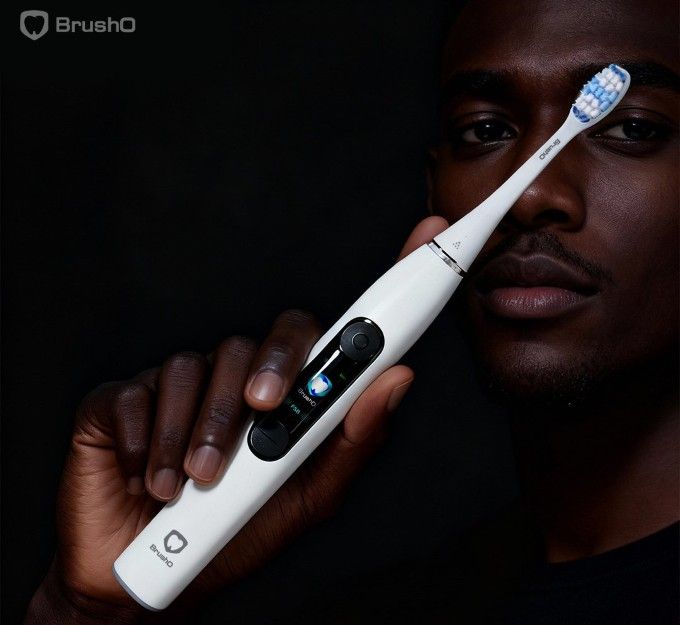
Your mouth hosts over 700 species of bacteria. While many are harmless or even beneficial, poor brushing habits allow harmful bacteria to flourish. These bad actors don’t just stay put — they can:
• Be swallowed and reach your stomach and intestines
• Leak into your bloodstream through inflamed gums
• Interfere with gut microbial balance, weakening immunity and digestion
Research shows that people with periodontal disease or poor oral hygiene often have altered gut microbiota, which has been linked to:
• Inflammatory bowel disease (IBD)
• Irritable bowel syndrome (IBS)
• Metabolic disorders
• Systemic inflammation
When oral bacteria bypass your saliva’s defenses and enter your gut, several issues can arise:
• Dysbiosis (Microbial Imbalance): Harmful oral bacteria like Fusobacterium nucleatum can displace beneficial gut flora.
• Inflammation: These bacteria can trigger an immune response in the intestines, leading to chronic inflammation.
• Leaky Gut Syndrome: Toxins from harmful bacteria may damage the intestinal lining, allowing toxins into the bloodstream.
• Worsening of Existing Conditions: Conditions like Crohn’s disease or ulcerative colitis can be aggravated by oral-gut microbial migration.
Maintaining a balanced oral microbiome helps protect your gut. Here’s how:
• Reduces Bacterial Load: Brushing removes plaque where harmful bacteria thrive.
• Prevents Gum Disease: Healthy gums act as a barrier, preventing bacteria from entering the bloodstream.
• Limits Inflammation: Good oral care reduces systemic inflammation, which affects digestive function.
• Supports Salivary Function: A clean mouth ensures saliva remains effective in neutralizing pathogens before they reach the gut.
A traditional toothbrush may miss key areas where harmful bacteria hide. The AI-powered BrushO helps ensure a complete clean every time.
✅ FSB Technology (Fully Smart Brushing): Tracks pressure, timing, and zone coverage to eliminate bacterial hotspots.
✅ Smart App Feedback: Provides real-time insight into brushing habits, helping users target overlooked zones.
✅ Custom Modes: Sensitive mode for inflamed gums, deep clean for plaque removal, all tailored to your mouth’s needs.
✅ $BRUSH Rewards: Encourages consistent oral hygiene with redeemable tokens for brush heads and perks.
By brushing smarter — not just harder — you can disrupt harmful bacterial pathways that affect both your mouth and gut.
• Brush twice daily with a smart toothbrush like BrushO
• Floss daily to remove debris between teeth that brushing can’t reach
• Use a tongue scraper to reduce oral bacterial load
• Eat fiber-rich foods to support both oral and gut microbiomes
• Stay hydrated to maintain saliva flow
• Avoid smoking and excess sugar, both of which promote bad bacteria
• See your dentist regularly to catch early signs of oral imbalance
The connection between your oral and gut health is stronger than most people realize. What starts as a missed brushing session can have ripple effects far beyond your teeth. By adopting smarter oral hygiene practices and embracing tools like BrushO, you can help maintain a balanced microbiome — protecting both your smile and your digestion.
Dec 30
Dec 30

<p class="lead">For decades, the only response to a carious lesion was to drill and fill it, removing tooth structure to place a restoration. Resin infiltration offers a different philosophy: instead of removing the lesion, it stops the lesion from progressing by sealing it from within. This mini...

<p class="lead">When a primary tooth is severely decayed or damaged, a simple filling is often not enough to restore its function and keep it healthy until it exfoliates naturally. Preformed crowns provide a durable, full-coverage restoration that protects the tooth and maintains space in the arc...

<p class="lead">After months or years of active orthodontic treatment, the teeth are aligned, the bite is corrected, and the braces come off. Yet the treatment is not finished: without retention, the teeth will drift back toward their original positions. Relapse is a natural consequence of the el...

<p class="lead">Primary herpetic gingivostomatitis is the first infection of the mouth with the herpes simplex virus, and it is one of the most painful conditions a child can experience. Affected children develop fever, widespread oral ulcers, and swollen gums, and they may refuse to eat or drink...

<p class="lead">When a tooth with an apical infection fails to heal after root canal treatment, the endodontist has a limited number of options: retreat the tooth, extract it, or perform periradicular surgery. Apicoectomy, the surgical removal of the root tip and the infected tissue around it, of...

<p class="lead">Osteoradionecrosis of the jaws is one of the most feared complications of radiotherapy for head and neck cancer. It presents as exposed, non-healing bone within the radiation field, causing pain, infection, and fistula formation, and it can severely impair the patient's quality of...

<p class="lead">Mucocele and ranula are the two most common benign lesions of the minor and sublingual salivary glands. Both arise from the obstruction or rupture of a salivary duct, producing a fluid-filled swelling that is usually painless but cosmetically and functionally troublesome. This art...

<p class="lead">Injury to the inferior alveolar or lingual nerve is among the most feared complications in dentistry, producing numbness, tingling, or altered sensation in the lip, chin, and tongue that can persist for months or years. Although rare, these injuries cause significant distress and ...

<p class="lead">The success of a composite restoration depends less on the resin itself than on the quality of the bond between the material and the tooth. Modern adhesive systems have transformed restorative dentistry by making micromechanical attachment to enamel and dentine predictable and dur...

<p class="lead">Bitewing radiographs are the single most valuable imaging tool for the detection of caries, particularly the interproximal lesions that are invisible to the naked eye and frequently missed on clinical examination alone. Yet their use must be balanced against radiation exposure and...

Xây dựng mạng dữ liệu sức khỏe răng miệng nhanh chóng và chi phí thấp theo cách mọi người đều có thể tham gia.
Xây dựng mạng dữ liệu sức khỏe răng miệng nhanh chóng và chi phí thấp theo cách mọi người đều có thể tham gia.


Address: RM 1427, 14/F RADIO CITY 505, HENNESSY RD CAUSEWAY BAY, HONG KONG
Code: 000000
Phone: +852-53758652
Email: customerservice@brusho.com