
Toothbrushing is one of the most familiar health routines in daily life, yet research consistently shows that brushing quality often falls short of expectations. Many individuals equate frequency with effectiveness, assuming that brushing twice a day guarantees proper oral hygiene. In reality, plaque removal efficiency depends on technique, coverage, pressure control, and behavioral consistency — factors rarely self-monitored accurately. This article explores the psychological and biological reasons people overestimate their brushing performance, examines overlooked aspects of the oral ecosystem, and outlines evidence-based strategies for improving cleaning outcomes. With advances in guided brushing technologies such as BrushO, users can transition from perception-based routines to data-driven oral care that protects long-term dental health.
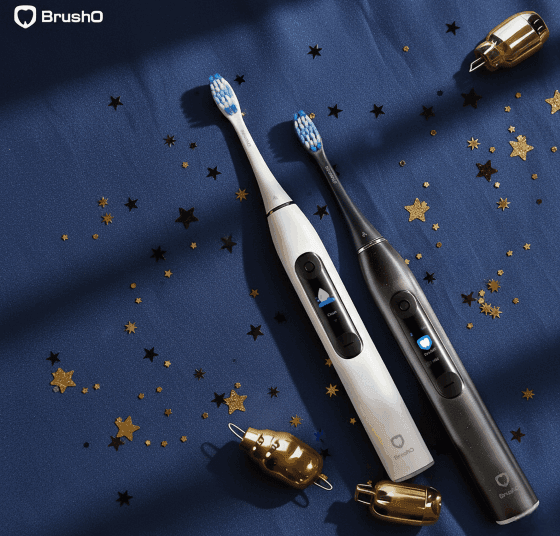
Brushing feels straightforward, leading many individuals to assume they perform it correctly. This creates a cognitive bias known as perceived competence, where familiarity leads to overconfidence.
People often judge cleanliness by:
• Smooth tooth surfaces
• Whitening appearance
• Fresh breath sensation
However, plaque biofilm is microscopic and adheres to surfaces beyond visual detection. Studies in behavioral dentistry suggest that individuals frequently misjudge plaque removal success without objective feedback.
Visual or sensory feedback rarely reflects biological reality.
Plaque commonly accumulates in:
• Interdental gaps
• Along the gumline
• Lingual (inner) tooth surfaces
• Posterior molars
These zones are statistically the most neglected during manual brushing.
Residual plaque contributes to:
• Caries development
• Gingival inflammation
• Microbial imbalance
• Chronic halitosis
Effective oral hygiene requires targeted mechanical disruption rather than superficial polishing.
Public health guidelines emphasize brushing duration, but clinical outcomes depend heavily on technique quality.
• Excessive pressure damaging enamel
• Insufficient pressure leaving plaque intact
• Skipping inner surfaces
• Ignoring gumline angles
• Rushed brushing strokes
Even two minutes of inefficient motion may remove less plaque than shorter, properly guided brushing.
Proper technique involves:
• 45° angulation toward gums
• Even zone distribution
• Controlled pressure
• Structured sequence coverage
Oral hygiene is often reduced to tooth surface cleaning, ignoring microbial habitats elsewhere.
Harbors anaerobic bacteria linked to odor production
Soft tissues
Cheeks and palate host bacterial reservoirs
Gums
Inflammation begins along plaque-retention margins
Comprehensive hygiene addresses the entire oral biome rather than isolated surfaces.
Traditional toothbrushes provide no performance feedback, leaving users dependent on self-assessment.
Smart oral care systems such as BrushO bridge this gap through:
• Pressure monitoring
• Coverage tracking
• Zone guidance
• Session analytics
• Habit reinforcement
These features transform brushing into a measurable activity, improving technique awareness and reducing human estimation error.
Behavioral consistency remains one of the strongest predictors of oral health outcomes.
Recommended supporting habits:
• Daily flossing
• Post-meal rinsing
• Routine brush head replacement
• Preventive dental visits
Long-term dental stability results from cumulative behavior patterns rather than isolated effort.
Most individuals believe they brush effectively due to familiarity and sensory feedback, yet objective evaluation often reveals coverage gaps and technique errors. Effective oral hygiene relies on precision, consistency, and awareness of the mouth’s full biological ecosystem. Integrating guided brushing technology and evidence-based habits enables users to move beyond perceived cleanliness toward measurable health protection. By aligning daily routines with dental science, individuals can significantly reduce the long-term risk of decay and gum disease.
Feb 20
Feb 19

Coffee and red wine are two of the most common causes of teeth staining, and the stains they leave behind are often considered a cosmetic nuisance rather than a dental health issue. However, these extrinsic stains can make teeth look dull, yellow or brown, and they can affect a person's confidenc...

Mouth sores and ulcers are common oral health issues that can cause significant discomfort and pain. These lesions can affect eating, speaking, and overall quality of life, and understanding their healing times and treatment options can help patients manage them effectively. From common canker so...

X-ray imaging has been the gold standard for detecting cavities for decades, but laser-based technologies now offer a different approach to finding tooth decay. Laser cavity detection uses fluorescence and laser light to identify changes in tooth structure before they appear on an x-ray, and unde...

Facial furrows are not just a cosmetic concern, they are visible markers of the way skin ages and how it responds to dehydration. Dry skin is one of the most common contributors to early and deepening facial lines, and understanding the underlying causes helps explain why certain areas of the fac...

Grinding or clenching the teeth at night, known as bruxism, is more than a dental issue. The muscles that close the jaw are among the strongest in the body, and their chronic overactivation can trigger headaches, ear pain, facial discomfort and disrupted sleep. The connection between bruxism and ...

Decortication, the deliberate removal of a cortical plate to expose or to decompress the tissue beneath it, appears in oral surgery under several names and in several contexts, from transalveolar extraction of a deeply impacted third molar to alveoloplasty of an irregular ridge and to decompressi...

Lichenoid lesions of the oral mucosa present a diagnostic problem before they present a therapeutic one, because the same white reticulated pattern can represent idiopathic oral lichen planus, a contact reaction to a restoration, a drug eruption, or an entirely benign variation such as leukoedema...

Bone in the adult jaw is never quiescent. Roughly 10 percent of the human skeleton is replaced every year, and the alveolar process turns over faster than most skeletal sites because it is loaded intermittently by mastication and by the forces transmitted through the periodontal ligament. The ost...

Root canal treatment succeeds or fails at the interface between the filling material and the dentin wall, and no material has changed that interface more in the past two decades than the calcium silicate bioceramic sealer. These materials descend from Portland cement, set in the presence of moist...

Ameloblastoma is the most common clinically significant odontogenic tumor, and its behaviour is defined less by its ability to spread than by its tendency to return after apparently complete removal. Conservative surgery preserves function and facial contour, and decortication is the procedure mo...

Xây dựng mạng dữ liệu sức khỏe răng miệng nhanh chóng và chi phí thấp theo cách mọi người đều có thể tham gia.
Xây dựng mạng dữ liệu sức khỏe răng miệng nhanh chóng và chi phí thấp theo cách mọi người đều có thể tham gia.


Address: RM 1427, 14/F RADIO CITY 505, HENNESSY RD CAUSEWAY BAY, HONG KONG
Code: 000000
Phone: +852-53758652
Email: customerservice@brusho.com