
Dried fruits are often marketed as a nutritious alternative to candy, but their impact on oral health is frequently overlooked. Despite being natural, dried fruits contain concentrated sugars and have a sticky texture that allows them to cling to teeth, creating an ideal environment for harmful oral bacteria. Without proper brushing techniques and consistent oral hygiene, regular consumption of dried fruits can significantly increase the risk of tooth decay, enamel erosion, and gum inflammation. Understanding these risks helps you enjoy dried fruits more safely while protecting long-term dental health.
Dried fruits such as raisins, dates, apricots, and dried mango are often perceived as “healthy sugar.” However, from an oral health perspective, sugar is sugar—regardless of its source. When fresh fruit is dried, water is removed while sugars become highly concentrated. This means a small serving of dried fruit can contain as much sugar as candy or dessert. Even more problematic is their sticky texture. Unlike fresh fruit, dried fruits easily lodge between teeth, around molars, and along the gumline. Once trapped, sugars feed oral bacteria, leading to acid production that weakens enamel and increases cavity risk.
The oral health risks of dried fruits are closely linked to how bacteria behave in the mouth:
• Prolonged sugar exposure: Sticky dried fruits remain on teeth longer than liquids or fresh fruit.
• Acid production: Oral bacteria convert sugars into acids that attack tooth enamel.
• Plaque buildup: Sugary residue accelerates plaque formation, especially in hard-to-reach areas.
• Enamel demineralization: Repeated acid exposure weakens enamel and makes teeth more sensitive.
Over time, these factors significantly increase the likelihood of tooth decay, especially if brushing habits are inconsistent or ineffective.
Dried fruits don’t just affect teeth—they can also irritate gums. When sugary residue accumulates near the gumline, it encourages bacterial growth that can lead to gum inflammation, redness, and bleeding. People who snack on dried fruits frequently may notice early signs of gingivitis without realizing the connection. If plaque is not removed thoroughly, gum irritation can progress into more serious periodontal issues.
Eating dried fruits occasionally is not the problem—how well you clean your teeth afterward is what matters most. Many people brush but still miss sticky residue between teeth or behind molars.
• Gentle but thorough brushing removes sugar residue without damaging enamel.
• Full-mouth coverage ensures sticky foods don’t remain in hidden areas.
• Pressure control prevents brushing too hard on already acid-softened enamel.
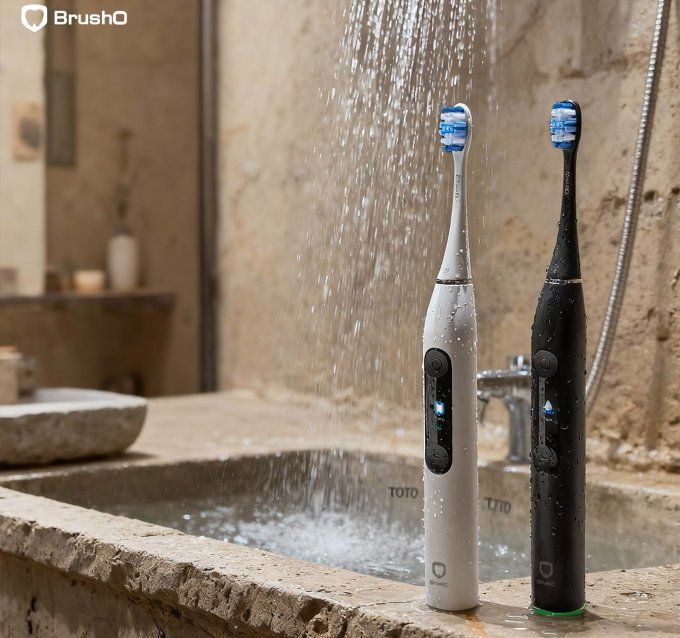
Smart toothbrushes like BrushO help by tracking brushing coverage, pressure, and time, ensuring dried fruit residue doesn’t linger where bacteria thrive.
You don’t need to eliminate dried fruits completely. Instead, follow smarter oral care habits:
• Eat dried fruits with meals rather than as standalone snacks.
• Rinse your mouth with water immediately after eating.
• Wait 20–30 minutes before brushing to protect softened enamel.
• Brush thoroughly with proper technique and controlled pressure.
• Pay extra attention to molars and gumline areas.
• Avoid frequent grazing on dried fruits throughout the day.
Consistent, guided brushing is far more effective than simply brushing longer or harder.
Modern oral care is no longer just about brushing twice a day—it’s about brushing effectively. BrushO’s AI-powered brushing guidance helps users remove sticky sugars from dried fruits by:
• Tracking missed zones where sugar residue often remains
• Monitoring pressure to protect enamel after acidic foods
• Providing visual brushing reports to improve daily habits
This proactive approach reduces the long-term damage caused by sugar-heavy foods, even those marketed as “healthy.”
Dried fruits may be nutritious, but their impact on oral health should not be underestimated. Their concentrated sugar content and sticky texture make them one of the most cavity-promoting snacks when oral hygiene is inadequate. By understanding the risks, improving brushing technique, and using smart oral care tools, you can enjoy dried fruits while protecting your teeth, gums, and enamel for the long term.

If you are thirsty after brushing, choose plain water. Plan your usual bedtime drink before brushing and skip the immediate rinse at the sink.

Waterpik recommends warm water for its flossers. Check your own model and use comfortably lukewarm water if cold water feels sharp.

Let an intact handle return to room temperature before you consider charging it. Check your manual and watch for signs of battery or housing damage.

Lift away the paste, check the care label, and use cool water on washable fabric. Here is a quick approach for a fresh spot.

Turn the brush off, then check the fit, the connection, and the condition of the head. A second compatible head can help you narrow it down.

Look for a clean, rigid container with a secure lid and keep it with your belongings. A napkin on a lunch tray is easy to clear away.

Check the care directions for your clear retainer. Clinics give different instructions, and the right cleaning method depends on the appliance you received.

Try a gentle rinse first. If the hull sits between teeth and floss moves freely, make a careful pass and stop if it still feels stuck.

A tight gap or rough edge can catch floss. Notice where it snags, keep the movement gentle, and find out when to ask your dentist to check.

Your first sip can taste sharp after brushing. Here is what may be changing and how to make breakfast taste like breakfast again.


Address: RM 1427, 14/F RADIO CITY 505, HENNESSY RD CAUSEWAY BAY, HONG KONG
Code: 000000
Phone: +852-53758652
Email: customerservice@brusho.com
