
In a world flooded with over-marketed yet under-engineered products, BrushO stands apart by building a future-ready toothbrush rooted in real innovation and practical performance. From internal hardware to water resistance and motion sensors, every feature of BrushO was designed with longevity, health outcomes, and daily habit-building in mind — not just marketing claims. This article reveals the six core design principles that shaped BrushO into more than just a smart toothbrush — it’s a durable, ergonomic, intelligent wellness tool.
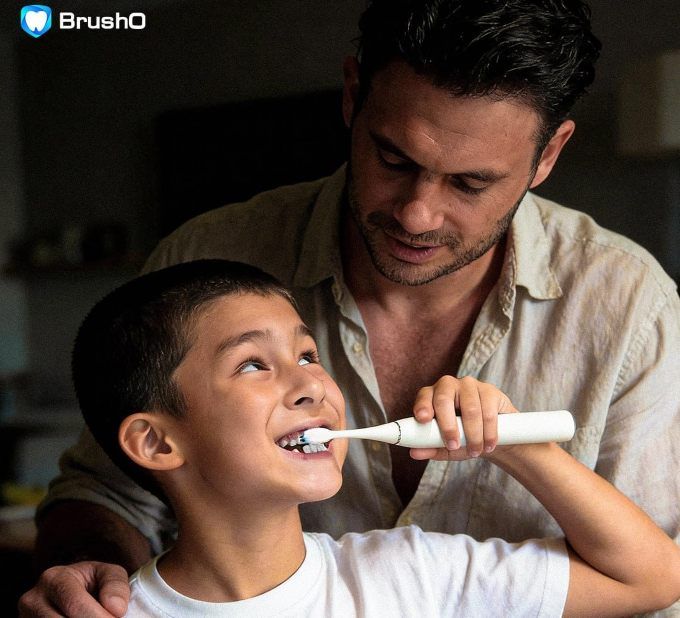
Unlike many consumer tech products that prioritize surface-level aesthetics or fast releases, BrushO followed one guiding rule: build a toothbrush that respects the user. Every part had to serve a purpose. Nothing was added for the sake of trends or buzzwords. This is how BrushO engineered the future of oral care.
While most toothbrushes start with form and then squeeze components inside, BrushO took the opposite approach. The internal structure — including sensor layout, vibration optimization, and IPX-rated waterproofing — shaped the exterior.
• No exposed screws or mechanical weak points
• Sleek, unbroken surface for long-term durability
• A truly minimalist, premium aesthetic grounded in function
RPM alone doesn’t define effective cleaning. BrushO’s engineers calibrated motor frequency, angular displacement, and vibration feel to ensure smooth yet thorough brushing.
Why it Matters:
• Avoids excessive harshness
• Provides a balanced brushing feel
• Supports different brushing modes (sensitive, gum care, deep clean)
Daily exposure to humidity and splashes wears down many devices. BrushO resists that wear by designing water resistance into its PCB layout and internal assembly — not just relying on adhesives.
Long-Term Impact:
• No degradation from steam, sink splashes, or bathroom conditions
• Sustains peak performance after years of use
BrushO’s handle is based on real human testing — not generic design assumptions. It supports proper brushing mechanics and stability, even when wet.
Ergonomic Benefits:
• Reduces wrist fatigue
• Prevents slippage during brushing
• Encourages correct brushing angles and pressure
Many smart toothbrushes add sensors for buzz. BrushO only includes what makes a difference: IMU movement tracking, pressure detection, and AI analysis.
Real-Time Benefits:
• Immediate alerts if brushing too hard
• Zone coverage heatmaps in the app
• Actionable insights, not data overload
BrushO’s brush heads, battery, and motor are engineered for consistency and lifespan. There’s no built-in obsolescence.
What That Means:
• Fewer replacements
• Higher long-term value
• BrushO respects both the planet and your wallet
BrushO didn’t chase gimmicks. It focused on:
• Respecting real user behavior
• Eliminating unnecessary design elements
• Improving daily health habits through data and feedback
• Creating something worth using for years, not months
This is how BrushO became a toothbrush reimagined — a blend of hardware precision, habit coaching, and long-term wellness support.
BrushO is an AI-powered smart toothbrush designed to transform oral care through real-time feedback, advanced motion sensing, and personalized brushing reports. With waterproof construction, customizable modes, and a reward ecosystem that encourages better habits, BrushO is redefining oral health for users of all ages.
Dec 15
Dec 15

Squamous cell carcinoma is not a single, uniform disease, and two of its oral variants illustrate the extremes of its behavior. Verrucous carcinoma is a slow-growing, exophytic tumor that almost never metastasizes, while spindle cell carcinoma is an aggressive, sarcomatoid malignancy that can be ...

Most people expect a toothache to be the first sign of pulp disease, but some forms of pulpitis are surprisingly silent. A pulp polyp is the visible result of chronic hyperplastic pulpitis, a condition in which the dental pulp grows out of a large carious opening as a fleshy mass. Recognizing thi...

Dry mouth is not merely uncomfortable; it is a medical condition with real consequences for teeth, speech, swallowing and quality of life. When the salivary glands cannot produce enough saliva, medications called sialogogues can restore some of the missing fluid. Pilocarpine and cevimeline are th...

A blister in the mouth can be the first warning of a systemic autoimmune disease, and two disorders deserve particular attention in the dental chair: pemphigus vulgaris and mucous membrane pemphigoid. Both produce chronic oral ulceration, yet their immunologic targets, clinical behavior and long-...

When infection drains from a tooth, the body often creates a visible escape route, and the dentist must interpret these fistulous openings correctly. A parulis is the common gum boil that signals chronic periapical infection, while an oroantral fistula is a communication between the mouth and the...

Among the fibro-osseous lesions of the jaws, the ossifying fibroma holds a unique position because it is a true neoplasm, unlike the reactive cemento-osseous dysplasia discussed in an earlier article. It grows continuously, expands bone and requires surgical removal, and its cemental variant adds...

Not all keratocystic lesions of the jaw behave alike, and one of the most important distinctions in oral pathology separates the orthokeratinized odontogenic cyst from its better-known relative, the odontogenic keratocyst. Although the two lesions look similar under the microscope at first glance...

Periodontal disease is usually a slowly progressive infection, but a rare form called necrotizing ulcerative periodontitis destroys tissue with alarming speed. Unlike ordinary periodontitis, this condition produces necrotic, cratered papillae, deep pocketing and rapid bone loss, and it appears al...

Every parent has met the child who refuses to eat because of painful mouth sores, and most of these children have one of two viral illnesses: herpangina or hand, foot and mouth disease. Both are caused by enteroviruses, both produce fever and oral ulcers, and both are overwhelmingly common in you...

Cementoosseous dysplasia is one of the most common fibro-osseous lesions found on dental radiographs, yet it is also one of the most frequently misdiagnosed. The lesion replaces normal bone with cellular fibrous tissue and cementum-like material, and it appears in several forms that range from a ...

Construir rápidamente y a bajo costo una red de datos sobre salud bucal de una manera que todos puedan construir.
Construir rápidamente y a bajo costo una red de datos sobre salud bucal de una manera que todos puedan construir.


Address: RM 1427, 14/F RADIO CITY 505, HENNESSY RD CAUSEWAY BAY, HONG KONG
Code: 000000
Phone: +852-53758652
Email: customerservice@brusho.com