
Popping a mint after a meal or before a meeting might seem like the perfect fix for bad breath. But while mints can offer a quick burst of freshness, they often only mask the problem—without treating the actual cause. In fact, frequent use of mints, especially sugary ones, may actually worsen your breath over time and contribute to cavities and gum issues. This article explains why mints are a short-term solution, explores the real reasons behind bad breath, and offers healthier, more effective alternatives. Smart tools like the AI-powered BrushO toothbrush help address the root causes of halitosis through complete, personalized oral hygiene.
To truly treat bad breath, you need to understand its origins:
• Oral Bacteria: Anaerobic bacteria on the tongue and between teeth break down food particles and proteins, releasing sulfur compounds.
• Gum Disease: Infections and inflammation in the gums produce unpleasant odors and often go unnoticed in the early stages.
• Poor Brushing Habits: Missed areas, poor technique, or skipping tongue cleaning allows odor-causing bacteria to multiply.
• Dry Mouth (Xerostomia): Saliva naturally cleanses the mouth. Low saliva production, caused by dehydration or medications, worsens breath.
• Diet: Onions, garlic, acidic foods, and coffee can affect breath for hours, even after brushing.
While they may taste refreshing, sugary mints can actually cause more harm than good:
• Fuel for Bacteria: Sugar feeds harmful oral bacteria, especially on the tongue and between teeth.
• Cavity Formation: Regular mint use without brushing afterward increases the risk of tooth decay.
• Masking Without Solving: Using mints as a cover-up may delay proper diagnosis and treatment of underlying dental issues.
Twice-daily brushing and once-daily flossing are essential to remove odor-causing bacteria and food particles. Tongue cleaning is especially important.
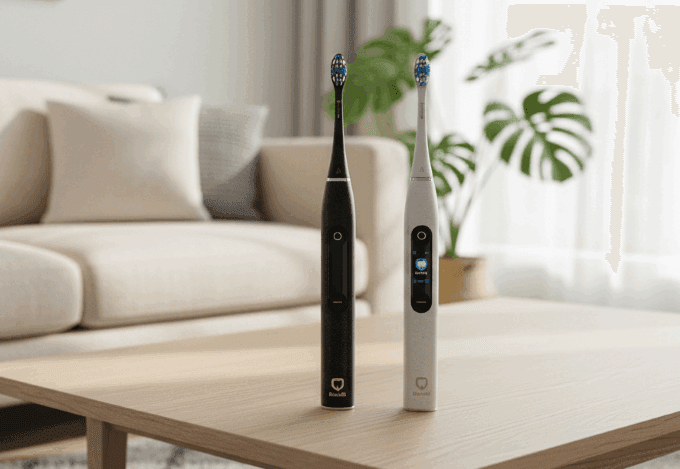
AI-powered brushes like BrushO go beyond routine cleaning:
• Real-Time Coverage Feedback: Ensures no zones are missed, including the back of the tongue.
• Pressure Monitoring: Prevents gum damage that can lead to infections and odor.
• Custom Modes: Use “fresh breath” mode to target odor zones and reduce sulfur-producing bacteria.
• $BRUSH Rewards: Encourages consistent brushing habits that eliminate the need for cover-up solutions like mints.
Chewing sugar-free gum stimulates saliva, which helps naturally cleanse the mouth and neutralize acids.
Drinking water throughout the day helps flush away food debris and keeps saliva flowing.
Persistent bad breath may indicate deeper concerns such as gum disease, tonsil stones, or even digestive problems—see your dentist if mints are a daily crutch.
Breath mints are not the solution—they’re a temporary patch that often makes matters worse. Relying on them could mean you’re ignoring signs of deeper oral health problems. For real freshness, focus on consistent oral hygiene, smart brushing tools like BrushO, hydration, and diet. These strategies eliminate the root causes of bad breath and give you long-lasting confidence—mint not required.
BrushO is an AI-powered smart toothbrush that helps users improve brushing habits through real-time feedback, coverage tracking, and pressure alerts. With $BRUSH token rewards and custom modes—including options for fresh breath—BrushO turns your brushing routine into a smart, effective solution for better oral health and lasting freshness.

The uncontrolled hypertension is the condition that the dental practice meets in the patient who presents with the elevated pressure that the guideline does not permit for the elective treatment, and the management of this patient requires the deferral of the dental procedure and the referral to ...

The closure of the extraction space in the orthodontic treatment is the phase that demands the careful selection of the mechanics and the monitoring of the force that the appliance delivers. The sliding mechanics that rely on the continuous archwire and the power chain that connects the brackets ...

The transverse discrepancy of the maxilla is the problem that the crowding and the posterior crossbite often hide, and the maxillary expansion is the treatment that addresses the width of the arch rather than the position of the individual tooth. The clinician who diagnoses the constriction early...

The local anaesthesia is the daily procedure that the modern dentistry treats as the routine, and the complications that follow it range from the transient and the trivial to the permanent and the serious. The clinician who injects by the habit without the anatomy in the mind is the clinician who...

The hypertension is the condition that the dental practice meets in the every day, and the patient who carries the elevated pressure without the symptoms is the patient who presents the risk that the chair-side measurement reveals. The dental team occupies the position that no other profession ho...

The glass-ceramic crown has become the default restoration for the anterior and the many posterior teeth, and the material selection within the family is the decision that determines the strength, the aesthetics, and the longevity of the result. The lithium disilicate, the leucite, and the zircon...

The dental phobia is the extreme form of the dental fear that prevents the patient from attending the treatment that the oral health requires, and the management of the phobia demands the skill that extends beyond the routine behaviour guidance. The systematic desensitization, the exposure therap...

The dental fear of the child is the condition that shapes the attitude for the lifetime, and the clinician who manages the first visits with the skill builds the patient who attends the recall without the dread. The fear that the child develops follows the many sources, and the practice that reco...

The patient with controlled hypertension is the patient who requires the dental care that the oral health demands and the treatment that the blood pressure permits, and the clinician who manages the controlled case safely follows the guideline that the evidence supports. The controlled hypertensi...

The ceramic veneer is the restoration that the aesthetic dentistry depends on, and the bond that retains the veneer on the enamel is the critical link that determines whether the restoration survives the function or fractures and debonds. The clinical technique from the preparation to the cementa...

एक मौखिक स्वास्थ्य डेटा नेटवर्क जल्दी और कम लागत पर इस तरह से बनाएं जिसमें हर कोई भाग ले सके।


Address: RM 1427, 14/F RADIO CITY 505, HENNESSY RD CAUSEWAY BAY, HONG KONG
Code: 000000
Phone: +852-53758652
Email: customerservice@brusho.com