Smart Toothbrushes and Their Role in Preventing Gum Disease
Jan 26

Jan 26
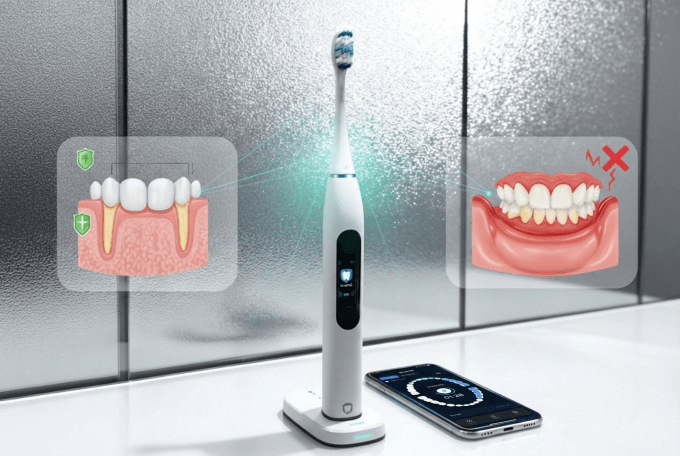
Gum disease (gingivitis and periodontitis) starts with plaque buildup along the gumline, leading to inflammation, bleeding, and long‑term dental issues. Smart toothbrushes—featuring advanced pressure sensors, AI‑guided technique coaching, real‑time feedback, and adaptive brushing modes—help users remove more plaque effectively, reduce gum inflammation, and prevent disease progression. This article explores the science and benefits behind smart toothbrush tech for gum health.
 

Gum Disease and the Importance of Effective Brushing

Gum disease is one of the most common oral health problems worldwide. Early‑stage gum disease (gingivitis) is caused by bacterial plaque accumulation at the gumline, leading to redness, bleeding, and inflammation. If untreated, it can progress to periodontitis, which damages the supporting structures of the teeth, potentially leading to tooth loss and systemic health issues. Optimal plaque control through effective toothbrushing is a cornerstone of gum disease prevention. While traditional manual brushing can be effective when done perfectly, studies show that most individuals struggle to remove adequate plaque consistently. Modern smart toothbrushes combine intelligent sensors, real‑time guidance, and personalized insights to elevate daily brushing effectiveness, making them especially valuable in preventing gum disease.
 

Why Plaque Removal Matters for Gum Health

Plaque is a sticky film of bacteria that constantly forms on tooth surfaces. If not removed, it irritates gums and triggers inflammatory responses. Over time, persistent plaque leads to gingivitis—the earliest form of gum disease—which can progress into more severe periodontal problems if not addressed.
Studies consistently show that better plaque control reduces gingival inflammation and lowers the risk of gum disease progression. Compared with manual brushing, powered and smart toothbrush technology has demonstrated superior plaque removal and reduction in gum inflammation scores in scientific studies.
 

How Smart Toothbrush Technology Enhances Plaque Control

1.Pressure Sensors Reduce Gum Trauma

Excessive brushing pressure can cause gum irritation and recession—conditions that worsen gum disease. Smart toothbrushes, like BrushO’s smart toothbrush, incorporate advanced pressure sensors that monitor brushing force. When excessive pressure is detected, the device provides instant alerts through vibrations or in‑app notifications, guiding users to adjust their technique. This gentle, controlled brushing helps protect delicate gum tissue while still removing plaque effectively.

2.AI‑Powered Feedback Guides Technique Improvement

Many smart brushes pair with apps that deliver real‑time feedback and coaching. These apps analyze your brushing patterns—such as pressure, duration, and coverage—and offer tailored recommendations for improvement. Over time, this feedback helps users develop more efficient brushing habits, improving gum health and reducing inflammation.

3.Adaptive Brushing Modes Tailored to Gum Care

Smart toothbrushes typically offer multiple modes designed for specific oral care needs. Gum care modes, available on devices like BrushO, adjust vibration intensity and motion patterns to provide a gentle yet thorough clean along the gumline. This helps remove plaque in sensitive gum areas without causing soreness or damage—key for preventing irritation that can lead to disease.

4.Coverage Tracking Ensures Thorough Cleaning

One common issue with manual brushing is uneven coverage—users often miss hard‑to‑reach areas along the gumline, where plaque tends to accumulate. Smart toothbrushes use motion sensors and app guidance to help track which areas have been brushed thoroughly and which have not. This ensures that all quadrants, including gumline zones prone to plaque buildup, receive adequate attention.
 

Long‑Term Monitoring Builds Better Oral Hygiene Habits

Smart toothbrushes can also track brushing history and trends over time. By reviewing weekly or monthly brushing reports, users can identify patterns—such as consistently missing certain areas or brushing too quickly—and make deliberate improvements. This ongoing monitoring fosters sustainable oral hygiene habits, further reducing the risk of gum disease.
 

Additional Benefits for Gum Disease Prevention

1.Enhanced Access to Educational Insights

Some smart toothbrush apps include educational materials about optimal brushing technique and oral health tips. This reinforces good habits and helps users understand how their actions affect gum health.

2.Motivation Through Rewards and Achievements

Devices like BrushO enhance motivation through reward systems that encourage consistent, high‑quality brushing. Consistency is key in preventing plaque buildup and inflammation, making habitual brushing a powerful defense against gum disease.
 

Smart Toothbrushes Are a Valuable Tool for Gum Health

Preventing gum disease begins with controlling plaque and maintaining healthy gums through effective brushing. Smart toothbrushes provide superior plaque removal, guided technique improvement, real‑time feedback, and personalized gum care features that manual brushing alone cannot match. By adopting intelligent oral care technology and fostering better brushing habits, users can protect their gum health and enjoy long‑term oral wellness. Whether you are concerned about early signs of gum inflammation or seeking to strengthen your daily oral care routine, investing in a smart toothbrush like BrushO can be a proactive and scientifically supported step toward preventing gum disease.

Post recenti

Zone replay maps can reveal your skipped start side

Zone replay maps can reveal your skipped start side

People often believe they skip the end of brushing because that is when they are tired or impatient, but the beginning of the session can create its own blind spot. Most people judge the risk by portion size, pain level, or how dramatic the habit looks from the outside. The mouth judges it

Whitening strips can irritate already dry gum edges

Whitening strips can irritate already dry gum edges

Whitening strips often look like a simple cosmetic add-on, but the tissues around the teeth do not experience them as surface decoration. Most people judge the risk by portion size, pain level, or how dramatic the habit looks from the outside. The mouth judges it differently. It notices ti

Travel mode reminders can prevent rushed hotel brushing

Travel mode reminders can prevent rushed hotel brushing

Travel compresses routines. Even careful brushers often become faster, more distracted, and less systematic in hotel bathrooms than they are at home. Most people judge the risk by portion size, pain level, or how dramatic the habit looks from the outside. The mouth judges it differently. I

Snoring nights can leave the tongue coating heavier

Snoring nights can leave the tongue coating heavier

A heavier tongue coating in the morning often gets blamed on dinner, but the night itself can be the bigger factor. Most people judge the risk by portion size, pain level, or how dramatic the habit looks from the outside. The mouth judges it differently. It notices timing, repeat exposure,

Predentin matures before dentin can bear force

Predentin matures before dentin can bear force

Inside a tooth, supportive tissue does not appear fully ready all at once. Most people judge the risk by portion size, pain level, or how dramatic the habit looks from the outside. The mouth judges it differently. It notices timing, repeat exposure, tissue stress, and whether recovery time

Popcorn hulls can reopen the same sore gum spot

Popcorn hulls can reopen the same sore gum spot

A popcorn hull is tiny, but tiny things can be remarkably good at finding the same vulnerable area over and over. Most people judge the risk by portion size, pain level, or how dramatic the habit looks from the outside. The mouth judges it differently. It notices timing, repeat exposure, t

Enamel rods direct how cracks spread across a tooth

Enamel rods direct how cracks spread across a tooth

People tend to imagine a crack as a simple line, but tooth structure is more directional than that. Most people judge the risk by portion size, pain level, or how dramatic the habit looks from the outside. The mouth judges it differently. It notices timing, repeat exposure, tissue stress,

Desk snacks can keep acid attacks all afternoon

Desk snacks can keep acid attacks all afternoon

A desk drawer full of small snacks can seem completely separate from oral health. Most people judge the risk by portion size, pain level, or how dramatic the habit looks from the outside. The mouth judges it differently. It notices timing, repeat exposure, tissue stress, and whether recove

Cold brew habits can hide a slow sensitivity problem

Cold brew habits can hide a slow sensitivity problem

Cold brew feels smoother than many hot coffees, so people often assume it is gentler on the mouth in every way. Most people judge the risk by portion size, pain level, or how dramatic the habit looks from the outside. The mouth judges it differently. It notices timing, repeat exposure, tis

Cementum helps roots stay attached under daily load

Cementum helps roots stay attached under daily load

Roots do not stay functional just because they are buried. They stay functional because several supporting tissues cooperate under ordinary chewing forces all day long. Most people judge the risk by portion size, pain level, or how dramatic the habit looks from the outside. The mouth judge
