
While fried and hot foods are staples in many diets, they come with hidden risks for your dental health. From enamel erosion to increased sensitivity, regularly consuming these foods can have long-term effects on your smile. This article explores how high temperatures, grease, and texture impact your oral well-being—and how smart brushing tools like BrushO can help you counteract the damage.
Fried foods like chips, fried chicken, and tempura may satisfy cravings, but they can cause several oral health issues:
Fried foods often contain refined starches that break down into sugars, feeding harmful bacteria in your mouth. Combined with oil, these foods can stick to teeth longer, leading to plaque buildup.
Greasy residue can coat your mouth, creating an environment where bacteria thrive, especially if oral hygiene is neglected after eating.
Many fried foods are salty, which may lead to dehydration or reduced saliva flow. Without enough saliva, your mouth loses its natural cleansing mechanism, leaving acids and food particles behind.
It’s not just what you eat, but how hot it is:
Very hot foods or drinks (like soups or sizzling meats) can cause micro-cracks in enamel, especially when followed by cold beverages—this sudden temperature change stresses the enamel.
Over time, repeated exposure to extreme temperatures can make your teeth more sensitive to hot and cold foods.
Hot foods can scald your gums, palate, or inner cheeks, making them more vulnerable to infection or sores if not properly cleaned.
• French fries and hash browns
• Fried chicken or battered fish
• Tempura and deep-fried snacks
• Pizza fresh from the oven
• Hot noodles and soups
• Grilled cheese or toasted sandwiches
While these don’t need to be eliminated entirely, moderation and proper oral care are key.
Water helps neutralize acids, remove food particles, and rehydrate your mouth.
Wait at least 30 minutes before brushing after hot or acidic foods to protect softened enamel.
BrushO helps ensure you’re:
• Brushing with correct pressure
• Cleaning all 6 zones and 16 surfaces
• Avoiding overbrushing sensitive enamel
• Tracking habits and brushing consistently
Nighttime is when your mouth is driest. Make sure no fried or sticky food particles are left behind.
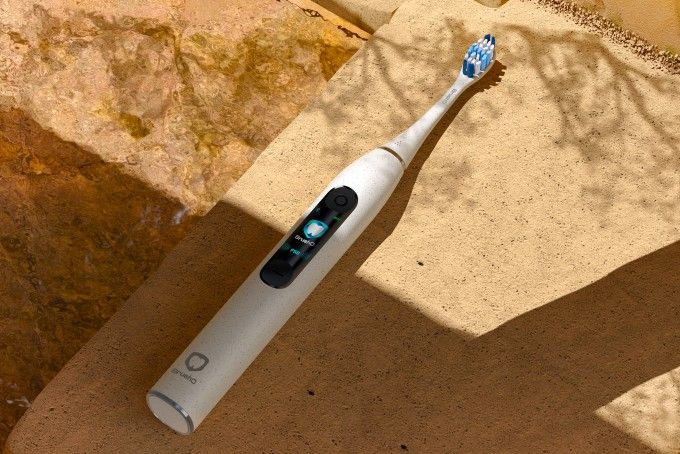
Traditional brushing may not fully address the hidden risks of fried or hot foods. BrushO’s AI-powered technology detects brushing pressure, monitors zone coverage, and provides personalized feedback to ensure effective plaque removal—especially helpful after heavy or oily meals. Plus, with real-time brushing reports and $BRUSH token rewards, BrushO keeps you motivated to stay consistent.
Fried and hot foods aren’t necessarily off-limits, but they do pose challenges to your oral health. With proper timing, hydration, and advanced brushing techniques, you can still enjoy your favorite meals while protecting your enamel and gums. Tools like BrushO elevate your brushing routine and help you balance enjoyment with prevention.
Jan 22
Jan 22

The uncontrolled hypertension is the condition that the dental practice meets in the patient who presents with the elevated pressure that the guideline does not permit for the elective treatment, and the management of this patient requires the deferral of the dental procedure and the referral to ...

The closure of the extraction space in the orthodontic treatment is the phase that demands the careful selection of the mechanics and the monitoring of the force that the appliance delivers. The sliding mechanics that rely on the continuous archwire and the power chain that connects the brackets ...

The transverse discrepancy of the maxilla is the problem that the crowding and the posterior crossbite often hide, and the maxillary expansion is the treatment that addresses the width of the arch rather than the position of the individual tooth. The clinician who diagnoses the constriction early...

The local anaesthesia is the daily procedure that the modern dentistry treats as the routine, and the complications that follow it range from the transient and the trivial to the permanent and the serious. The clinician who injects by the habit without the anatomy in the mind is the clinician who...

The hypertension is the condition that the dental practice meets in the every day, and the patient who carries the elevated pressure without the symptoms is the patient who presents the risk that the chair-side measurement reveals. The dental team occupies the position that no other profession ho...

The glass-ceramic crown has become the default restoration for the anterior and the many posterior teeth, and the material selection within the family is the decision that determines the strength, the aesthetics, and the longevity of the result. The lithium disilicate, the leucite, and the zircon...

The dental phobia is the extreme form of the dental fear that prevents the patient from attending the treatment that the oral health requires, and the management of the phobia demands the skill that extends beyond the routine behaviour guidance. The systematic desensitization, the exposure therap...

The dental fear of the child is the condition that shapes the attitude for the lifetime, and the clinician who manages the first visits with the skill builds the patient who attends the recall without the dread. The fear that the child develops follows the many sources, and the practice that reco...

The patient with controlled hypertension is the patient who requires the dental care that the oral health demands and the treatment that the blood pressure permits, and the clinician who manages the controlled case safely follows the guideline that the evidence supports. The controlled hypertensi...

The ceramic veneer is the restoration that the aesthetic dentistry depends on, and the bond that retains the veneer on the enamel is the critical link that determines whether the restoration survives the function or fractures and debonds. The clinical technique from the preparation to the cementa...


Address: RM 1427, 14/F RADIO CITY 505, HENNESSY RD CAUSEWAY BAY, HONG KONG
Code: 000000
Phone: +852-53758652
Email: customerservice@brusho.com
