
In the digital age, dental care often takes a backseat to our fast-paced lifestyles. Whether it’s skipping a brushing session or being distracted while brushing, modern habits silently erode oral health over time. But by identifying these patterns—and adopting smart tools like BrushO—users can regain control of their brushing routine and protect their long-term dental wellness.
Life moves fast—early meetings, late-night emails, and endless to-dos. It’s no wonder brushing gets rushed or skipped altogether. But missing even one session regularly can cause:
• Plaque accumulation
• Gum inflammation
• Bad breath
• Increased risk of cavities
Modern efficiency often undermines brushing consistency. Good oral care doesn’t require long hours, but it does demand discipline and proper technique.
Smartphones and streaming services sneak into nearly every corner of our routines—including the bathroom. Many users scroll social media while brushing, leading to:
• Incomplete coverage
• Poor brushing angles
• Reduced focus and brushing time
Late-night screen time also delays bedtime, causing users to skip brushing out of fatigue. These small distractions, repeated daily, add up to significant oral health risks.
Today’s on-the-go diet culture adds another challenge:
• Frequent snacking on sugary or acidic foods (e.g., sodas, energy drinks)
• Irregular meals, which throw off brushing routines
• Forgotten rinsing or brushing after sticky snacks
Even with regular brushing, enamel can erode if the technique or timing is poor. Modern diets demand modern solutions.
Mental fatigue from work, social pressure, and digital overload leads many to overlook oral care. Research links high stress to:
• Decreased routine hygiene
• Reduced saliva production (which protects enamel naturally)
• Lower motivation to floss, rinse, or brush thoroughly
When mental bandwidth is low, brushing becomes a background task—and that’s when the damage happens.
To combat modern challenges, brushing routines need smart support. This is where AI toothbrushes like BrushO make a difference.
How BrushO Helps Modern Users:
Detects missed areas, excessive pressure, and insufficient duration.
Goes beyond the traditional 4-zone model for full coverage.
Switch between Sensitive, Deep Clean, or Whitening modes based on your unique oral needs.
Never forget to brush again with automatic reminders and brushing history synced to your phone.
Get rewarded for healthy habits—exchange tokens for brush heads or discounts.
Long battery life and smart brushing modes keep you on track even on the road.
When users align their oral care with their lifestyle using AI technology, they experience:
• Healthier gums
• Reduced dental issues
• Improved brushing consistency
• Fewer dental appointments
• Greater confidence in oral wellness
Rather than fighting the clock, users are empowered by smart tools that work with their habits—not against them.
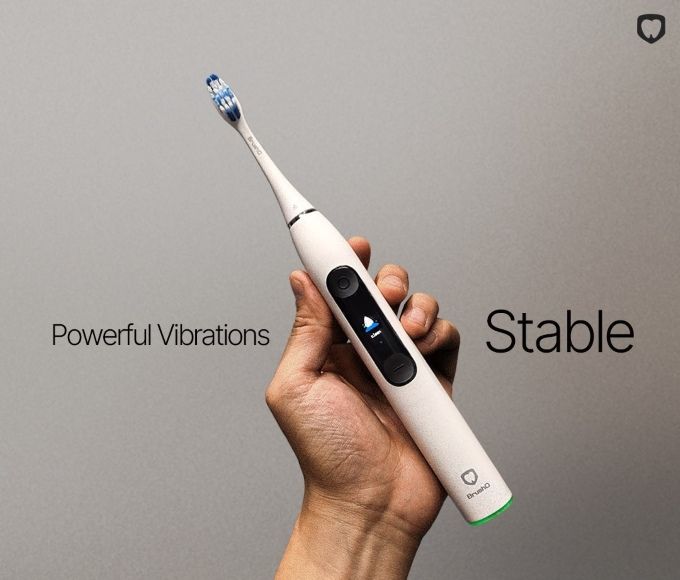
BrushO is a cutting-edge AI-powered smart toothbrush designed for modern lives. It offers:
• AI-guided brushing with real-time correction
• Custom brushing modes for every need
• Brushing habit tracking via mobile app
• Gamified rewards through $BRUSH tokens
Whether you’re a busy professional, a tech-savvy health enthusiast, or always on the go, BrushO helps you build habits that last—for a healthier smile every day.
Jan 13
Jan 13

Wisdom teeth, or third molars, are the last teeth to erupt, and a large proportion of them never achieve a functional position. When a wisdom tooth is trapped beneath the gum or bone, it is described as impacted, and the decision to remove it is one of the most common surgical judgments in dentis...

Disk displacement is the most common internal derangement of the temporomandibular joint (TMJ) and a frequent reason for orofacial pain consultations. Magnetic resonance imaging (MRI) is the accepted gold standard for confirming the position of the articular disk because it visualizes soft tissue...

Pulp sensibility testing remains the first diagnostic step before any endodontic intervention. Cold, heat and electric pulp tests (EPT) probe the neural response of the pulp through enamel and dentin, and their results decide whether a tooth needs root canal treatment, a direct pulp cap or simple...

Mouthguards protect teeth from sports trauma and night-time grinding, but a dirty guard can become a reservoir for bacteria, fungi and oral disease. Studies show that used mouthguards accumulate plaque, streptococci and Candida within days of normal wear, and poor hygiene has been linked to gingi...

Halitosis, or persistent bad breath, affects a large share of the adult population and carries real social and psychological consequences. In the vast majority of cases the source is the mouth itself, and the most important reservoir is the coating on the dorsal surface of the tongue. Understandi...

Root canal treatment succeeds only when instrumentation stops at the right place. Working length is the distance from a stable coronal reference point to the apical constriction, and every millimeter of error changes the outcome: over-instrumentation pushes debris and irrigant beyond the apex, wh...

Dry mouth is one of the most common complaints in dental practice, yet it is frequently underestimated. Xerostomia is the subjective feeling of oral dryness, while salivary hypofunction is the measurable reduction in saliva output, and the two do not always coincide. Because saliva protects teeth...

Diabetes affects more than blood sugar, and the mouth is often one of the first places where the disease makes itself known. The relationship is genuinely bidirectional: uncontrolled diabetes increases the risk and severity of periodontal disease, while severe gum inflammation makes blood sugar h...

Enamel is the hardest tissue in the human body, but it is not indestructible. Dental erosion is the chemical dissolution of enamel by acids that are not produced by bacteria, and modern diets supply those acids in abundance. Understanding how acidic foods and drinks attack the tooth surface is th...

A good toothbrush should work as well in a hotel bathroom as it does at home, and that is exactly what BrushO Travel Mode is designed to do. By lowering motor speed and trimming acoustic output, Travel Mode keeps the full two-minute cleaning routine in a form that is discreet enough for shared ro...

Build an oral health data network quickly and at low cost in a way that everyone can build.


Address: RM 1427, 14/F RADIO CITY 505, HENNESSY RD CAUSEWAY BAY, HONG KONG
Code: 000000
Phone: +852-53758652
Email: customerservice@brusho.com