The Role of AI in Enhancing Smart Toothbrush Performance
Jan 22

Jan 22
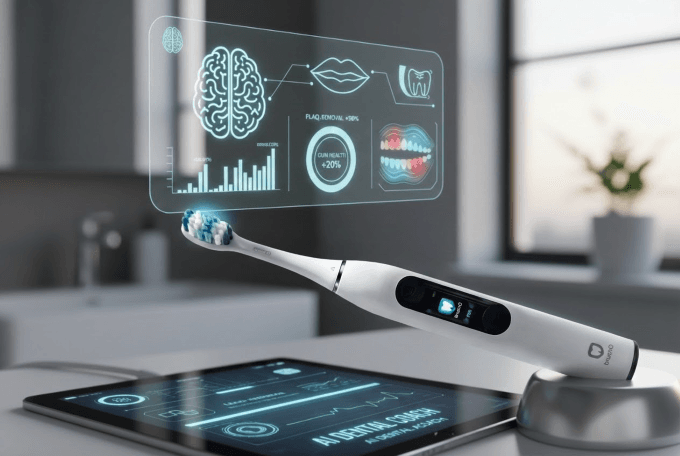
Artificial intelligence (AI) is transforming many industries, and oral care is no exception. The integration of AI into smart toothbrushes is enhancing their performance and ensuring better brushing habits. From real-time feedback to personalized brushing modes, AI-enabled toothbrushes provide more effective cleaning while adapting to individual needs. This blog delves into how AI enhances smart toothbrush performance and the benefits it brings to oral health.


Introduction: The Intersection of AI and Oral Health

Smart toothbrushes have become an essential tool for modern oral care, combining advanced technology with traditional brushing techniques. What truly sets these devices apart from regular electric toothbrushes is the integration of artificial intelligence (AI). AI is not just a buzzword in technology; it is significantly improving how we approach oral hygiene.
AI-enabled smart toothbrushes are designed to do more than just clean teeth. They leverage machine learning algorithms and sensors to offer personalized and efficient brushing experiences. By monitoring your brushing habits, AI helps optimize cleaning performance, prevent gum damage, and ensure your mouth is properly cleaned in all areas.
 

How AI Enhances Smart Toothbrushes: Key Features

1. Personalized Brushing Modes

AI-powered smart toothbrushes come equipped with various brushing modes, which adapt to the specific needs of the user. Whether you have sensitive teeth, gums, or need a deeper clean, the toothbrush can adjust its settings to suit your condition. By continuously analyzing your brushing technique, AI customizes the brushing experience for optimal results. The toothbrush can suggest the most effective brushing pattern and pressure for you, ensuring that your oral care is as efficient as possible.

2. Real-Time Feedback and Guidance

One of the standout features of AI in smart toothbrushes is the ability to provide real-time feedback during brushing. Sensors built into the toothbrush detect pressure, speed, and coverage, offering immediate guidance via a connected app or the toothbrush’s interface. For example, if you are brushing too hard, the toothbrush will alert you to prevent enamel damage. This immediate feedback helps users improve their brushing techniques, which in turn results in better oral health outcomes.

3. Adaptive Intelligence for Long-Term Benefits

Over time, the AI within a smart toothbrush can "learn" your brushing habits. Through this continuous data collection, the device can provide long-term insights into your brushing consistency, coverage, and areas that may require more attention. By analyzing this information, AI can recommend adjustments and improvements to your brushing routine. These improvements can contribute to healthier gums, stronger teeth, and less plaque buildup, ultimately lowering the risk of oral health problems such as cavities and gum disease.

4. Comprehensive Oral Health Tracking

Smart toothbrushes integrated with AI can also track your overall oral health progress. By syncing with mobile apps, users can monitor their brushing habits, detect problem areas, and keep a record of their oral hygiene routines. AI can even notify you when it’s time to replace your toothbrush head or when you need to book a dental appointment based on the data it gathers. This comprehensive health tracking ensures you stay on top of your dental hygiene regimen and empowers users to take more control over their oral health.
 

The Benefits of AI-Enhanced Smart Toothbrushes

The role of AI in smart toothbrushes goes far beyond just convenience. The real impact is on improving your overall dental health. Here’s how:
  • Better Brushing Technique: The feedback loop helps users understand the best brushing practices, minimizing the risk of brushing too aggressively or missing crucial areas.
  • Healthier Gums: Personalized brushing modes tailored to gum health can prevent overbrushing, reducing irritation and the risk of gum recession.
  • Consistency: AI ensures that users maintain the recommended brushing time, intensity, and frequency, which are critical for effective oral care.
  • Prevention: With the continuous data analysis and insights, users can detect problems early, such as irregular brushing habits or areas of concern that may need professional attention.
By making real-time adjustments to your brushing technique and encouraging better habits, AI-powered toothbrushes significantly contribute to maintaining long-term oral health.
 

Conclusion: The Future of Smart Oral Care

As AI continues to evolve, its integration into everyday devices like smart toothbrushes will only get better. These advancements offer users a more personalized, efficient, and effective brushing experience. With AI’s ability to monitor and guide brushing habits, detect potential issues, and optimize cleaning, the future of oral care is brighter than ever. Whether you're using a smart toothbrush for the first time or are already a seasoned user, embracing AI-driven technology can be the key to achieving superior oral health.

Recent Posts

Why Your Saliva Flow Changes Throughout the Day

Why Your Saliva Flow Changes Throughout the Day

Saliva flow fluctuates throughout the day due to circadian rhythm, hydration, diet, and stress. Learn why it matters for oral health and how smart brushing protects teeth during low-saliva periods.

How Oral Muscle Tension Influences Tooth Wear

How Oral Muscle Tension Influences Tooth Wear

Oral muscle tension and jaw strain can accelerate tooth wear, enamel erosion, and gum stress. Learn how muscle habits influence dental health and how smart brushing supports long-term protection.

How Breathing Habits Affect Your Face And Oral Health

How Breathing Habits Affect Your Face And Oral Health

Discover how mouth vs nose breathing affects oral health, facial development, jaw alignment, and sleep quality — and how to protect your teeth and gums with proper habits.

Brushing More Than Twice a Day Is Helpful or Harmful?

Brushing More Than Twice a Day Is Helpful or Harmful?

Is brushing more than twice daily good for your teeth? Learn how brushing frequency affects enamel, gums, and sensitivity, and discover dentist-backed guidance for safe oral care habits.

What Does Eating Sugar at Midnight Do to Your Mouth?

What Does Eating Sugar at Midnight Do to Your Mouth?

Discover how eating sugar at midnight affects oral bacteria, enamel health, and overall wellness. Learn why late-night snacking raises cavity risk and how proper brushing protects your teeth.

Why Tooth Surface Texture Affects Bacteria Retention

Why Tooth Surface Texture Affects Bacteria Retention

Tooth surface texture plays a critical role in bacterial retention and plaque formation. Learn how enamel roughness affects oral microbiome balance and how smart brushing reduces buildup.

Do Small Brushing Gaps Lead to Big Dental Costs?

Do Small Brushing Gaps Lead to Big Dental Costs?

Small brushing gaps can lead to plaque buildup, cavities, and costly dental treatments over time. Learn how incomplete brushing affects oral health and long-term dental expenses.

How Bite Alignment Influences Plaque Accumulation

How Bite Alignment Influences Plaque Accumulation

Bite alignment affects how plaque accumulates on teeth by shaping pressure distribution, cleaning access, and bacterial retention zones. Learn how occlusion impacts oral hygiene and cavity risk.

Why Nighttime Saliva Changes Your Cavity Risk

Why Nighttime Saliva Changes Your Cavity Risk

Nighttime saliva reduction significantly increases cavity risk by allowing bacteria and acids to remain active longer. Learn how saliva protects enamel and how smart brushing reduces overnight damage.

The Forgotten Impact of Lip Posture on Oral Hygiene

The Forgotten Impact of Lip Posture on Oral Hygiene

Discover how lip posture affects saliva flow, plaque buildup, and oral hygiene. Learn why proper lip positioning supports dental health and how smart brushing improves outcomes.
