
Selecting toothpaste is often treated as a routine purchase, yet its formulation plays a measurable role in cavity prevention, enamel protection, and gum health. Toothpastes vary widely in active ingredients, abrasiveness, and therapeutic purpose, meaning a product that works well for one individual may not benefit another. Understanding how to evaluate ingredients, match formulas to oral conditions, and integrate toothpaste into an effective brushing routine allows consumers to make evidence-based decisions. This guide explains how to assess oral health priorities, decode ingredient labels, and optimize outcomes through consistent brushing practices supported by smart oral care tools.
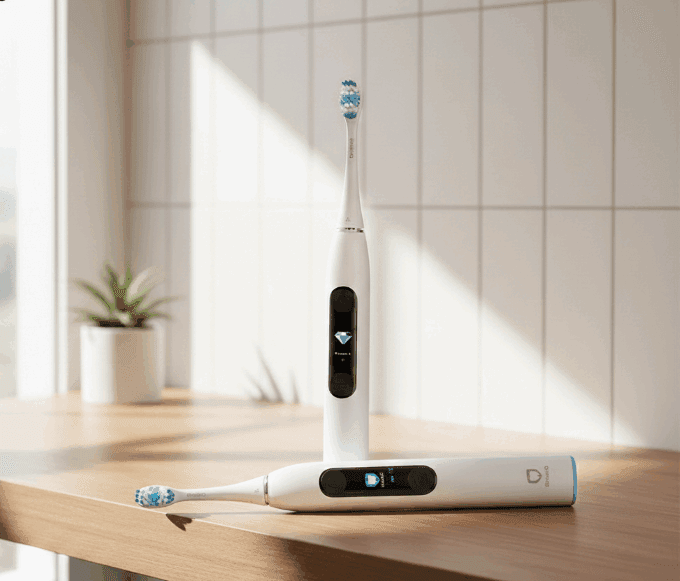
Selecting suitable toothpaste begins with identifying your primary oral concerns. Different formulations are designed to target specific conditions.
Cavity Prevention
Fluoride-containing toothpaste strengthens enamel and helps remineralize early decay, making it a cornerstone of preventive dentistry.
Formulas containing potassium nitrate or strontium salts help block nerve signals that cause discomfort when exposed to temperature changes.
Gum Protection
Anti-gingivitis formulations with antimicrobial agents reduce plaque accumulation and inflammation along the gumline.
Cosmetic Whitening
Whitening toothpastes remove surface stains through mild abrasives or polishing agents, though they do not alter intrinsic tooth color.
Clarifying your primary objective prevents unnecessary ingredient exposure and improves oral care outcomes.
Understanding ingredient function improves decision-making and ensures safety.
• Fluoride — Reinforces enamel and reduces cavity risk
• Hydrated Silica / Baking Soda — Gentle abrasives for stain removal
• Potassium Nitrate — Sensitivity reduction
• Antibacterial Compounds — Support gum health and breath freshness
• Avoid highly abrasive formulations if enamel thinning or recession exists
• Look for clinically validated actives rather than purely cosmetic additives
• Evaluate formulation balance between protection and comfort
Label literacy plays a major role in long-term oral wellness.
Toothpaste efficacy depends on delivery through proper brushing technique and duration.
• Brushing twice daily with consistent coverage
• Allowing active ingredients to remain on teeth briefly
• Avoiding aggressive rinsing immediately after brushing
Smart oral care tools such as BrushO enhance ingredient performance by ensuring even distribution across all tooth surfaces and gumline regions through guided coverage tracking and pressure control.
Use age-appropriate fluoride concentrations and palatable flavors that encourage habit formation.
Specialized plaque-control formulas support cleaning around brackets and aligners.
Individuals experiencing enamel erosion, chronic dry mouth, or periodontal disease should consult dental professionals before selecting toothpaste.
Personalization improves safety and therapeutic effectiveness.
Consumers can assess toothpaste suitability through structured observation.
• Maintain a trial period of several weeks
• Monitor changes in sensitivity, plaque feel, and breath freshness
• Avoid frequent product switching
• Combine with consistent brushing habits and appropriate tools
Evidence-based evaluation supports better long-term oral health decisions.
Choosing toothpaste is not a trivial decision but a personalized health choice shaped by biological needs, ingredient understanding, and brushing behavior. Matching formulation to oral condition enhances preventive protection, reduces discomfort, and supports gum stability. When paired with guided brushing technologies like BrushO, toothpaste effectiveness improves through optimized coverage, pressure balance, and routine consistency. Informed selection combined with structured oral care habits forms the foundation of lasting dental wellness.
Feb 20
Feb 20

Traumatic dental injuries constitute a significant public health problem, particularly among children and adolescents, with approximately one-third of individuals experiencing a dental trauma before adulthood. The International Association of Dental Traumatology periodically updates evidence-based guidelines for the management of these injuries. This article synthesizes the current IADT recommendations, covering crown fractures, luxation injuries, root fractures, and avulsion, and discusses emergency management protocols, splinting techniques, follow-up regimens, and factors influencing long-term prognosis.

Chemomechanical debridement through irrigation is fundamental to endodontic success, eliminating microorganisms, dissolving organic tissue, and removing the smear layer from the complex root canal system. This article reviews contemporary irrigation protocols, compares the properties and efficacy of sodium hypochlorite, EDTA, chlorhexidine, and newer irrigants, and evaluates activation techniques including passive ultrasonic irrigation, sonic activation, laser-activated irrigation, and negative pressure systems.

Conventional oral examination remains the cornerstone of oral cancer screening, but adjunctive diagnostic tools have been developed to improve the detection of potentially malignant disorders and early malignancy. This article evaluates the evidence supporting toluidine blue staining, autofluorescence devices, chemiluminescence, brush biopsy, and salivary biomarkers as adjuncts to visual and tactile examination, discusses their sensitivity and specificity, and provides a practical framework for incorporating these tools into clinical practice while avoiding over-referral and unnecessary patient anxiety.

The transition from conventional elastomeric impressions to digital intraoral scanning represents one of the most significant technological shifts in restorative dentistry. This article compares the accuracy, clinical efficiency, patient acceptance, and cost-effectiveness of digital versus conventional impression techniques across various clinical applications including single crowns, fixed partial dentures, and implant-supported restorations, drawing on recent systematic reviews and clinical studies.

Antibiotic prophylaxis in dentistry has undergone substantial re-evaluation over the past two decades, driven by evolving evidence on the risk of distant site infections, growing concerns about antimicrobial resistance, and the recognition of adverse drug reactions. This article reviews current evidence-based guidelines from the American Heart Association, the National Institute for Health and Care Excellence (NICE), and other authoritative bodies regarding prophylaxis for infective endocarditis and prosthetic joint infections, and discusses clinical decision-making in the context of immunosuppression, cardiac devices, and other special patient populations.

Dental professionals are uniquely positioned to deliver smoking cessation interventions due to the frequent and regular nature of dental visits and the visible oral consequences of tobacco use. Evidence demonstrates that even brief advice from a dental practitioner can significantly increase quit rates. This article reviews the current evidence base for smoking cessation interventions in dental settings, outlines the 5As framework, and discusses the integration of pharmacotherapy, behavioral counseling, and referral pathways into routine dental practice.

Removable partial dentures (RPDs) remain a cost-effective and widely used prosthetic solution for partially edentulous patients. Despite the increasing popularity of implant-supported restorations, RPDs continue to serve a substantial patient population. This article examines the fundamental principles of RPD design, including Kennedy classification, biomechanical considerations, and component selection, and reviews long-term clinical outcomes regarding patient satisfaction, abutment tooth survival, and the impact on oral health-related quality of life.

Dental fear and anxiety affect approximately 15 to 20 percent of the adult population, with a smaller subset meeting criteria for specific phobia. These conditions lead to avoidance of dental care, deterioration of oral health, and reduced quality of life. This article reviews the epidemiology and etiology of dental fear and anxiety, describes validated assessment tools, and provides an evidence-based framework for behavioral interventions, communication strategies, and pharmacological approaches including nitrous oxide sedation, oral sedation, and intravenous conscious sedation.

The evolution of dental ceramics over the past four decades has transformed restorative dentistry, offering increasingly esthetic, durable, and biocompatible options. From traditional feldspathic porcelain to modern high-translucency zirconia, each ceramic class presents distinct indications, advantages, and limitations. This article traces the development of dental ceramics, compares material properties across glass-based, polycrystalline, and resin-matrix ceramic categories, and discusses clinical selection criteria, bonding protocols, and long-term performance data.

Burning mouth syndrome (BMS) is a chronic intraoral pain condition characterized by a persistent burning sensation in the absence of identifiable mucosal pathology. Affecting predominantly postmenopausal women, BMS presents a significant diagnostic and therapeutic challenge in clinical practice. This article reviews current understanding of its multifactorial etiology, evidence-based diagnostic criteria, and the pharmacological, topical, and psychological management strategies available to dental practitioners.

Construa uma rede de dados de saúde bucal rapidamente e com baixo custo de forma que todos possam construir.
Construa uma rede de dados de saúde bucal rapidamente e com baixo custo de forma que todos possam construir.


Address: RM 1427, 14/F RADIO CITY 505, HENNESSY RD CAUSEWAY BAY, HONG KONG
Code: 000000
Phone: +852-53758652
Email: customerservice@brusho.com