The Role of AI in Enhancing Smart Toothbrush Performance
Jan 22

Jan 22
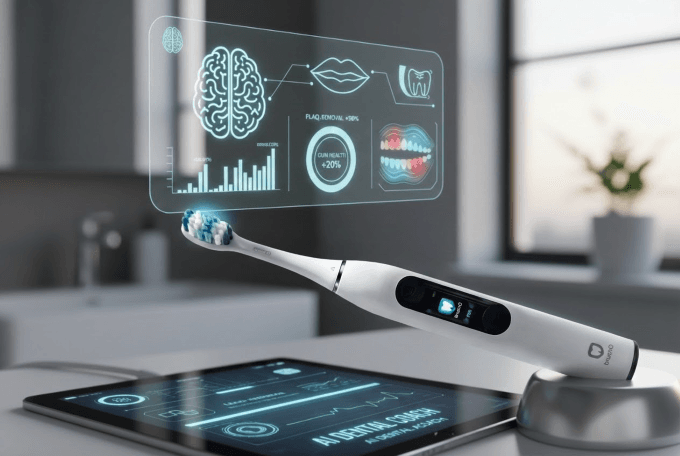
Artificial intelligence (AI) is transforming many industries, and oral care is no exception. The integration of AI into smart toothbrushes is enhancing their performance and ensuring better brushing habits. From real-time feedback to personalized brushing modes, AI-enabled toothbrushes provide more effective cleaning while adapting to individual needs. This blog delves into how AI enhances smart toothbrush performance and the benefits it brings to oral health.


Introduction: The Intersection of AI and Oral Health

Smart toothbrushes have become an essential tool for modern oral care, combining advanced technology with traditional brushing techniques. What truly sets these devices apart from regular electric toothbrushes is the integration of artificial intelligence (AI). AI is not just a buzzword in technology; it is significantly improving how we approach oral hygiene.
AI-enabled smart toothbrushes are designed to do more than just clean teeth. They leverage machine learning algorithms and sensors to offer personalized and efficient brushing experiences. By monitoring your brushing habits, AI helps optimize cleaning performance, prevent gum damage, and ensure your mouth is properly cleaned in all areas.
 

How AI Enhances Smart Toothbrushes: Key Features

1. Personalized Brushing Modes

AI-powered smart toothbrushes come equipped with various brushing modes, which adapt to the specific needs of the user. Whether you have sensitive teeth, gums, or need a deeper clean, the toothbrush can adjust its settings to suit your condition. By continuously analyzing your brushing technique, AI customizes the brushing experience for optimal results. The toothbrush can suggest the most effective brushing pattern and pressure for you, ensuring that your oral care is as efficient as possible.

2. Real-Time Feedback and Guidance

One of the standout features of AI in smart toothbrushes is the ability to provide real-time feedback during brushing. Sensors built into the toothbrush detect pressure, speed, and coverage, offering immediate guidance via a connected app or the toothbrush’s interface. For example, if you are brushing too hard, the toothbrush will alert you to prevent enamel damage. This immediate feedback helps users improve their brushing techniques, which in turn results in better oral health outcomes.

3. Adaptive Intelligence for Long-Term Benefits

Over time, the AI within a smart toothbrush can "learn" your brushing habits. Through this continuous data collection, the device can provide long-term insights into your brushing consistency, coverage, and areas that may require more attention. By analyzing this information, AI can recommend adjustments and improvements to your brushing routine. These improvements can contribute to healthier gums, stronger teeth, and less plaque buildup, ultimately lowering the risk of oral health problems such as cavities and gum disease.

4. Comprehensive Oral Health Tracking

Smart toothbrushes integrated with AI can also track your overall oral health progress. By syncing with mobile apps, users can monitor their brushing habits, detect problem areas, and keep a record of their oral hygiene routines. AI can even notify you when it’s time to replace your toothbrush head or when you need to book a dental appointment based on the data it gathers. This comprehensive health tracking ensures you stay on top of your dental hygiene regimen and empowers users to take more control over their oral health.
 

The Benefits of AI-Enhanced Smart Toothbrushes

The role of AI in smart toothbrushes goes far beyond just convenience. The real impact is on improving your overall dental health. Here’s how:
  • Better Brushing Technique: The feedback loop helps users understand the best brushing practices, minimizing the risk of brushing too aggressively or missing crucial areas.
  • Healthier Gums: Personalized brushing modes tailored to gum health can prevent overbrushing, reducing irritation and the risk of gum recession.
  • Consistency: AI ensures that users maintain the recommended brushing time, intensity, and frequency, which are critical for effective oral care.
  • Prevention: With the continuous data analysis and insights, users can detect problems early, such as irregular brushing habits or areas of concern that may need professional attention.
By making real-time adjustments to your brushing technique and encouraging better habits, AI-powered toothbrushes significantly contribute to maintaining long-term oral health.
 

Conclusion: The Future of Smart Oral Care

As AI continues to evolve, its integration into everyday devices like smart toothbrushes will only get better. These advancements offer users a more personalized, efficient, and effective brushing experience. With AI’s ability to monitor and guide brushing habits, detect potential issues, and optimize cleaning, the future of oral care is brighter than ever. Whether you're using a smart toothbrush for the first time or are already a seasoned user, embracing AI-driven technology can be the key to achieving superior oral health.

Posts recentes

Dentistry in Uncontrolled Hypertension: Risks and Precautions

Dentistry in Uncontrolled Hypertension: Risks and Precautions

The uncontrolled hypertension is the condition that the dental practice meets in the patient who presents with the elevated pressure that the guideline does not permit for the elective treatment, and the management of this patient requires the deferral of the dental procedure and the referral to ...

Orthodontic Space Closure Mechanics: Sliding vs Power Chain

Orthodontic Space Closure Mechanics: Sliding vs Power Chain

The closure of the extraction space in the orthodontic treatment is the phase that demands the careful selection of the mechanics and the monitoring of the force that the appliance delivers. The sliding mechanics that rely on the continuous archwire and the power chain that connects the brackets ...

Maxillary Expansion in Orthodontics

Maxillary Expansion in Orthodontics

The transverse discrepancy of the maxilla is the problem that the crowding and the posterior crossbite often hide, and the maxillary expansion is the treatment that addresses the width of the arch rather than the position of the individual tooth. The clinician who diagnoses the constriction early...

Complications of Local Anaesthesia in Dentistry

Complications of Local Anaesthesia in Dentistry

The local anaesthesia is the daily procedure that the modern dentistry treats as the routine, and the complications that follow it range from the transient and the trivial to the permanent and the serious. The clinician who injects by the habit without the anatomy in the mind is the clinician who...

Managing the Hypertensive Patient in Dentistry

Managing the Hypertensive Patient in Dentistry

The hypertension is the condition that the dental practice meets in the every day, and the patient who carries the elevated pressure without the symptoms is the patient who presents the risk that the chair-side measurement reveals. The dental team occupies the position that no other profession ho...

Glass-Ceramic Crowns: Material Selection

Glass-Ceramic Crowns: Material Selection

The glass-ceramic crown has become the default restoration for the anterior and the many posterior teeth, and the material selection within the family is the decision that determines the strength, the aesthetics, and the longevity of the result. The lithium disilicate, the leucite, and the zircon...

Treatment of Dental Phobia: Exposure and Desensitization

Treatment of Dental Phobia: Exposure and Desensitization

The dental phobia is the extreme form of the dental fear that prevents the patient from attending the treatment that the oral health requires, and the management of the phobia demands the skill that extends beyond the routine behaviour guidance. The systematic desensitization, the exposure therap...

Managing Dental Fear in Children

Managing Dental Fear in Children

The dental fear of the child is the condition that shapes the attitude for the lifetime, and the clinician who manages the first visits with the skill builds the patient who attends the recall without the dread. The fear that the child develops follows the many sources, and the practice that reco...

Dentistry with Controlled Hypertension: Safe Treatment Guidelines

Dentistry with Controlled Hypertension: Safe Treatment Guidelines

The patient with controlled hypertension is the patient who requires the dental care that the oral health demands and the treatment that the blood pressure permits, and the clinician who manages the controlled case safely follows the guideline that the evidence supports. The controlled hypertensi...

Ceramic Veneers: Bonding Protocol and Clinical Technique

Ceramic Veneers: Bonding Protocol and Clinical Technique

The ceramic veneer is the restoration that the aesthetic dentistry depends on, and the bond that retains the veneer on the enamel is the critical link that determines whether the restoration survives the function or fractures and debonds. The clinical technique from the preparation to the cementa...
