
Dental decline rarely begins with visible cavities or pain. Instead, it develops gradually through enamel demineralization, microbial imbalance, gum inflammation, and mechanical wear. Because these changes progress silently, many individuals overlook early indicators until restorative treatment becomes necessary. Recognizing subtle signals — such as new sensitivity, texture changes, discoloration, or persistent breath odor — enables earlier intervention and significantly improves long-term outcomes. This article examines clinically relevant early warning signs, explains their biological causes, and outlines preventive strategies grounded in modern oral health science. Precision daily hygiene, supported by guided brushing technologies like BrushO, can play a crucial role in slowing or reversing early-stage decline.
A common misconception is that teeth “go bad” overnight. In reality, deterioration is cumulative and influenced by:
• Oral hygiene consistency
• Diet acidity and sugar exposure
• Microbial composition
• Mechanical pressure or grinding
• Genetic and systemic factors
Processes like enamel thinning and bacterial colonization unfold gradually, often over years. Because progression is slow, early indicators feel minor — yet they are clinically meaningful signals.
New or fluctuating sensitivity is often one of the earliest measurable signs of structural change. Teeth reacting to:
• Cold beverages
• Hot liquids
• Sweet foods
• Air exposure
may indicate:
• Enamel thinning
• Dentin exposure
• Early gum recession
Sensitivity reflects increased permeability of the tooth surface and should not be dismissed as temporary irritation.
Healthy enamel is naturally smooth due to its crystalline mineral structure. A shift toward:
• Roughness
• Chalkiness
• Patchiness
can suggest:
• Acid erosion
• Plaque accumulation
• Mineral loss
Texture changes frequently precede visible lesions, making tactile awareness a valuable early diagnostic clue.
Tooth shade changes can reflect underlying mineral status rather than cosmetic staining.
Indicators include:
• Yellowing near gum margins (enamel thinning)
• Grey dullness (structural stress or wear)
• White opaque spots (early demineralization)
White spot lesions remain reversible when addressed early through remineralization-focused hygiene.
Healthy gingival tissue should remain stable during brushing and flossing. Early inflammation may present as:
• Mild bleeding
• Slight swelling
• Pink-to-red color shifts
• Localized tenderness
These signs suggest early gingivitis — a reversible stage if plaque disruption improves.
Chronic halitosis often reflects microbial imbalance rather than superficial hygiene lapses. Rapid odor return after brushing indicates:
• Plaque accumulation in missed zones
• Tongue biofilm presence
• Subgingival bacterial activity
This is frequently an early ecological signal of oral imbalance.
Gradual flattening or shortening of tooth edges may result from:
• Bruxism (grinding)
• Abrasive brushing
• Acid erosion
Accelerated wear signals mechanical or chemical stress exceeding natural adaptation rates.
Early decline lacks urgency because:
• Pain is absent
• Changes are gradual
• Function remains intact
Humans adapt to incremental shifts, delaying intervention. Unfortunately, this allows preventable conditions to progress.
Intervening early dramatically alters long-term outcomes. Effective strategies include:
• Thorough plaque disruption
• Consistent gumline cleaning
• Controlled brushing pressure
• Dietary acid awareness
• Regular monitoring
Precision and consistency matter more than intensity.
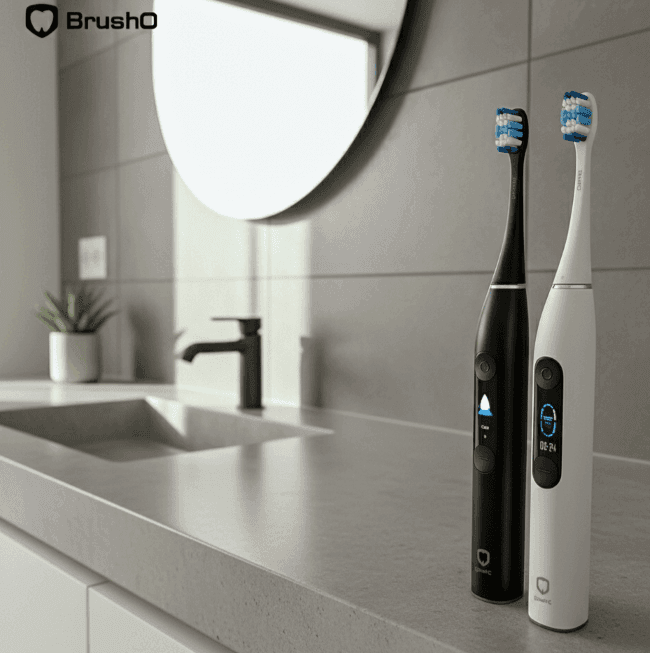
Modern oral care tools assist in detecting behavioral gaps contributing to decline. BrushO supports early-stage prevention through:
• Zone-based coverage guidance
• Pressure monitoring
• Habit consistency tracking
• Missed-area reduction
By improving daily technique quality, users strengthen enamel protection and gum stability before clinical deterioration occurs.
Dental decline begins quietly — through biological shifts rather than acute events. Sensitivity, texture variation, discoloration, gum response, and breath changes are not trivial inconveniences but early health signals. Recognizing and responding to them allows intervention at a reversible stage. With consistent hygiene, informed awareness, and precision-guided brushing support, long-term oral resilience becomes achievable.
Feb 19
Feb 18

The uncontrolled hypertension is the condition that the dental practice meets in the patient who presents with the elevated pressure that the guideline does not permit for the elective treatment, and the management of this patient requires the deferral of the dental procedure and the referral to ...

The closure of the extraction space in the orthodontic treatment is the phase that demands the careful selection of the mechanics and the monitoring of the force that the appliance delivers. The sliding mechanics that rely on the continuous archwire and the power chain that connects the brackets ...

The transverse discrepancy of the maxilla is the problem that the crowding and the posterior crossbite often hide, and the maxillary expansion is the treatment that addresses the width of the arch rather than the position of the individual tooth. The clinician who diagnoses the constriction early...

The local anaesthesia is the daily procedure that the modern dentistry treats as the routine, and the complications that follow it range from the transient and the trivial to the permanent and the serious. The clinician who injects by the habit without the anatomy in the mind is the clinician who...

The hypertension is the condition that the dental practice meets in the every day, and the patient who carries the elevated pressure without the symptoms is the patient who presents the risk that the chair-side measurement reveals. The dental team occupies the position that no other profession ho...

The glass-ceramic crown has become the default restoration for the anterior and the many posterior teeth, and the material selection within the family is the decision that determines the strength, the aesthetics, and the longevity of the result. The lithium disilicate, the leucite, and the zircon...

The dental phobia is the extreme form of the dental fear that prevents the patient from attending the treatment that the oral health requires, and the management of the phobia demands the skill that extends beyond the routine behaviour guidance. The systematic desensitization, the exposure therap...

The dental fear of the child is the condition that shapes the attitude for the lifetime, and the clinician who manages the first visits with the skill builds the patient who attends the recall without the dread. The fear that the child develops follows the many sources, and the practice that reco...

The patient with controlled hypertension is the patient who requires the dental care that the oral health demands and the treatment that the blood pressure permits, and the clinician who manages the controlled case safely follows the guideline that the evidence supports. The controlled hypertensi...

The ceramic veneer is the restoration that the aesthetic dentistry depends on, and the bond that retains the veneer on the enamel is the critical link that determines whether the restoration survives the function or fractures and debonds. The clinical technique from the preparation to the cementa...


Address: RM 1427, 14/F RADIO CITY 505, HENNESSY RD CAUSEWAY BAY, HONG KONG
Code: 000000
Phone: +852-53758652
Email: customerservice@brusho.com
