
That clean, minty feeling after brushing your teeth is one of the simplest daily comforts. But many people notice that freshness fades faster than expected—sometimes within an hour. The truth is, how long your mouth feels fresh after brushing depends on much more than toothpaste alone. Brushing technique, bacterial control, saliva flow, diet, and even the type of toothbrush you use all play a role. Understanding what truly extends oral freshness can help you maintain better breath, healthier gums, and more confidence throughout the day.
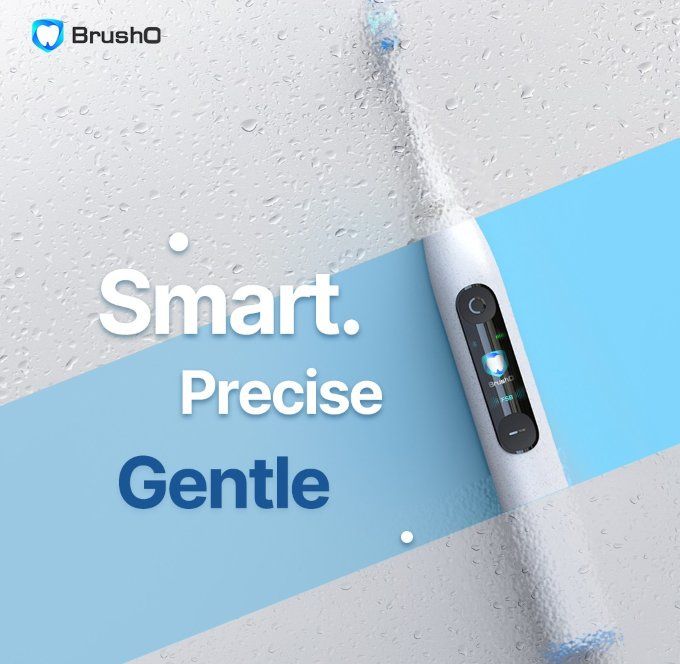
Freshness after brushing comes from reducing odor‑producing bacteria, not just masking smells. Oral bacteria break down food particles and proteins, releasing volatile sulfur compounds—the main cause of bad breath.
• Removes plaque and food debris
• Reduces bacterial load on teeth and gums
• Refreshes the tongue surface
• Restores a healthier oral environment
However, this balance is fragile and can be disrupted quickly.
Even after a thorough brush, freshness may not last long if certain factors are present:
• Dry mouth: Low saliva flow allows bacteria to multiply faster
• Diet choices: Coffee, garlic, onions, alcohol, and sugary snacks fuel odor
• Smoking or vaping: Leaves residue that shortens the freshness duration
• Missed areas during brushing: Back molars, gumline, and tongue are often neglected
In many cases, the issue isn’t how often you brush—but how effectively you brush.
A single brushing session can keep your mouth feeling fresh for several hours—if done correctly. Technique matters more than force or foam.
• Holding the brush at a 45‑degree angle to the gumline
• Brushing for a full two minutes
• Covering all surfaces, including inner teeth and molars
• Cleaning the tongue, where odor‑causing bacteria accumulate
When these steps are skipped, bacteria rebound quickly.
This is where BrushO makes a measurable difference. Instead of guessing whether you brushed well enough, BrushO uses AI‑powered feedback to ensure complete and balanced cleaning.
• Detecting missed zones in real time
• Monitoring brushing pressure to avoid gum irritation
• Ensuring proper brushing duration and coverage
• Offering targeted modes for freshness, gum care, and deep cleaning
Because bacterial hotspots are consistently addressed, users often report that their mouth stays fresh longer between brushes.
Brushing is essential, but it works best alongside supportive daily habits:
• Drink water regularly to support saliva production
• Chew sugar‑free gum to neutralize acids
• Floss daily to remove odor‑causing debris between teeth
• Limit frequent snacking, especially sugary foods
• Avoid brushing immediately after acidic drinks—wait 30 minutes
Consistency matters more than perfection.
• Morning brushing removes overnight bacterial buildup
• Night brushing prevents bacteria from thriving during sleep
• Post‑meal brushing, when appropriate, helps control odor triggers
With smart habit tracking, BrushO helps users maintain freshness throughout the day—not just right after brushing.
A single brushing session can keep your mouth feeling fresh for hours—but only if it’s done thoroughly and intelligently. Technique, coverage, and bacterial control are far more important than foam or flavor. With AI‑guided brushing, BrushO transforms each session into a freshness‑extending routine, helping you maintain cleaner teeth, healthier gums, and longer‑lasting confidence.

An in-depth exploration of periodontal disease pathogenesis, the 2017 World Workshop classification system, and the principles of non-surgical periodontal therapy including scaling, root planing, and adjunctive antimicrobials.

An evidence-based comparison of clear aligner therapy versus conventional fixed orthodontic appliances, covering treatment efficacy, duration, patient compliance, comfort, and aesthetic outcomes based on systematic reviews and clinical trials.

A practical guide to third molar assessment and management, including indications for extraction versus retention, surgical techniques for impacted teeth, and prevention and management of common postoperative complications.

A comprehensive review of contemporary root canal treatment protocols, including rotary instrumentation, advanced irrigation systems, and obturation techniques. Examines evidence-based success rates and prognostic factors affecting endodontic outcomes.

A review of modern resin composite technologies including nanofilled, bulk-fill, and bioactive composites. Covers polymerization shrinkage management, bonding protocols, and clinical longevity data for anterior and posterior restorations.

A comprehensive guide to pediatric dental behavior management techniques, including tell-show-do, positive reinforcement, protective stabilization, and pharmacological approaches, along with early interceptive orthodontic intervention strategies.

A comprehensive guide to caries management by risk assessment (CAMBRA), covering risk factor identification, caries detection methods, non-surgical management with fluoride and sealants, and minimally invasive restorative techniques.

A practical overview of contemporary digital dentistry workflows, including intraoral scanning technology, CAD/CAM systems for chairside and laboratory restorations, 3D printing applications, and digital implant planning.

An evidence-based review of traumatic dental injuries based on the Andreasen classification, covering crown fractures, luxation injuries, avulsion, and alveolar fractures, with step-by-step emergency management protocols.

An in-depth review of the dentist's role in managing obstructive sleep apnea, covering mandibular advancement devices, tongue-retaining devices, patient selection criteria, polysomnography interpretation, and collaborative care with sleep physicians.


Address: RM 1427, 14/F RADIO CITY 505, HENNESSY RD CAUSEWAY BAY, HONG KONG
Code: 000000
Phone: +852-53758652
Email: customerservice@brusho.com
