
Flavored water is widely marketed as a healthier alternative to soda, often perceived as harmless to oral health. However, wide varieties contain acids, sweeteners, and flavoring compounds that significantly lower oral pH and promote enamel erosion. Because flavored water is consumed frequently throughout the day, exposure duration may exceed that of traditional soft drinks. This prolonged acidic contact accelerates mineral loss, increases sensitivity risk, and weakens tooth surfaces over time. Understanding the chemistry behind beverage acidity and adopting strategic oral care practices allows consumers to make informed hydration choices while preserving enamel integrity.
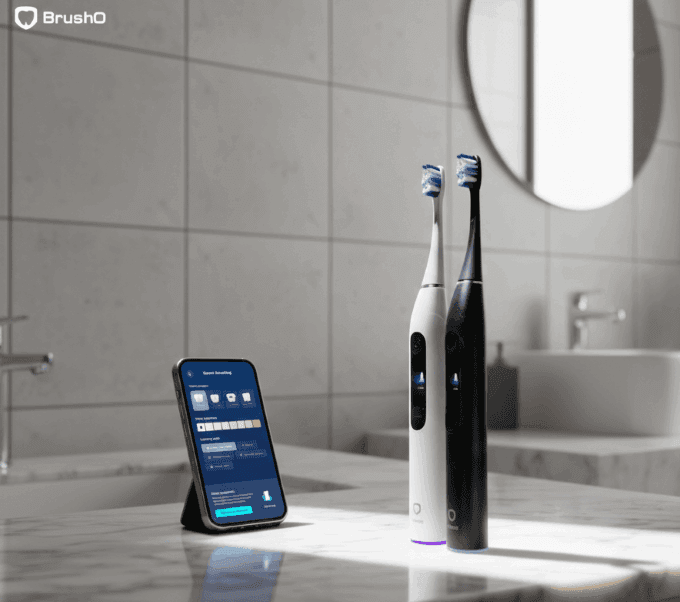
Flavored water is commonly associated with wellness and hydration. However, many formulations contain:
• Citric acid
• Malic acid
• Phosphoric acid
• Artificial flavor stabilizers
• Sweeteners
These ingredients create a low-pH environment similar to or more persistent than soda, particularly when consumed frequently. Unlike soda, which is often consumed in single servings, flavored water is sipped continuously — extending enamel exposure time.
Tooth enamel begins to weaken when oral pH drops below critical thresholds. Acidic beverages dissolve protective minerals, making teeth vulnerable to:
• Sensitivity
• Surface roughness
• Structural thinning
Frequent sipping throughout the day:
• Prevents saliva from neutralizing acids
• Extends erosion windows
• Reduces remineralization opportunities
This behavioral pattern often makes flavored water more damaging over time than occasional soda consumption.
Some flavored waters include added sugars or fermentable sweeteners that:
• Feed acid-producing bacteria
• Increase plaque formation
• Elevate cavity risk
Even sugar-free versions remain erosive due to acidity.
• Increased temperature sensitivity
• Teeth appearing translucent
• Rough enamel texture
• Yellowing due to dentin exposure
• Gumline vulnerability
Detection at early stages enables preventive intervention.
• Limit continuous sipping
• Drink through a straw
• Consume alongside meals
• Choose plain water when possible
• Rinse with water afterward
• Stimulate saliva production
• Maintain hydration balance
Wait 30–60 minutes after acidic beverage consumption to avoid brushing softened enamel.
Advanced tools such as BrushO AI smart brushing enhance protection through:
• Pressure regulation reducing abrasion
• Zone mapping ensuring plaque removal
• Adaptive modes for enamel sensitivity
• Habit tracking improves routine consistency
Technology-driven brushing helps counteract lifestyle-based acid exposure.
Modern beverage trends emphasize flavor and convenience, often overlooking oral chemistry impacts.
Protecting enamel today requires:
• Awareness of acidity sources
• Behavioral adjustments
• Guided oral hygiene support
This integrated approach preserves long-term dental resilience.
Flavored water’s health halo can obscure its dental risks. Hidden acids combined with frequent consumption may contribute to enamel erosion more significantly than occasional soda intake. By moderating exposure patterns, rinsing appropriately, delaying brushing, and using precision brushing technologies like BrushO, individuals can maintain hydration habits without compromising oral health. Informed choices ensure wellness extends beyond marketing perception to measurable dental protection.
Feb 6
Feb 6

Back teeth can be awkward to reach when brushing triggers gagging. Try a smaller, calmer approach and ask for help if it keeps interrupting your routine.

Similar handles and crowded cups can make mornings confusing. A few clear identifiers and a little space can make everyone’s own brush easier to find.

A little leftover paste can dry around the opening. Clean the outside, close the cap properly, and avoid turning a small mess into a toothpaste experiment.

Your toothpaste does not have to taste strongly of mint. Look for a comfortable flavor while keeping the fluoride and age guidance that matter.

Feeling better does not automatically mean throwing away your toothbrush. Check its condition, keep it to yourself, and know when to ask for personal advice.

No time to let your toothbrush dry before checkout? Protect it for the journey, then unpack it promptly at your next stop.

First check what touched the floor and whether anything broke. A fresh brush or replacement head is the simplest cautious choice when bristles are contaminated.

The tube is empty and the shops are closed. Keep brushing, understand what is missing, and restock fluoride toothpaste as soon as you can.

A flat battery does not have to cancel brushing. Here is how to choose a sensible backup without treating every powered brush like a manual one.

At a hotel without your toothbrush? Try these temporary steps, find a simple replacement, and get back to your usual routine.

সবাই যেন নিজের মতো করে গড়তে পারে – এমনভাবে দ্রুত ও কম খরচে ওরাল হেলথ ডেটা নেটওয়ার্ক তৈরি করুন।
সবাই যেন নিজের মতো করে গড়তে পারে – এমনভাবে দ্রুত ও কম খরচে ওরাল হেলথ ডেটা নেটওয়ার্ক তৈরি করুন।


Address: RM 1427, 14/F RADIO CITY 505, HENNESSY RD CAUSEWAY BAY, HONG KONG
Code: 000000
Phone: +852-53758652
Email: customerservice@brusho.com