
Dry mouth — or xerostomia — might seem like a minor annoyance, but it can seriously impact your oral health if left untreated. Saliva plays a crucial role in protecting teeth, neutralizing acids, and aiding digestion. When your mouth doesn’t produce enough, it creates the perfect environment for plaque buildup, bad breath, and cavities. Let’s explore the common causes of dry mouth, what they mean for your health, and how daily habits like brushing with BrushO can help maintain moisture and comfort.
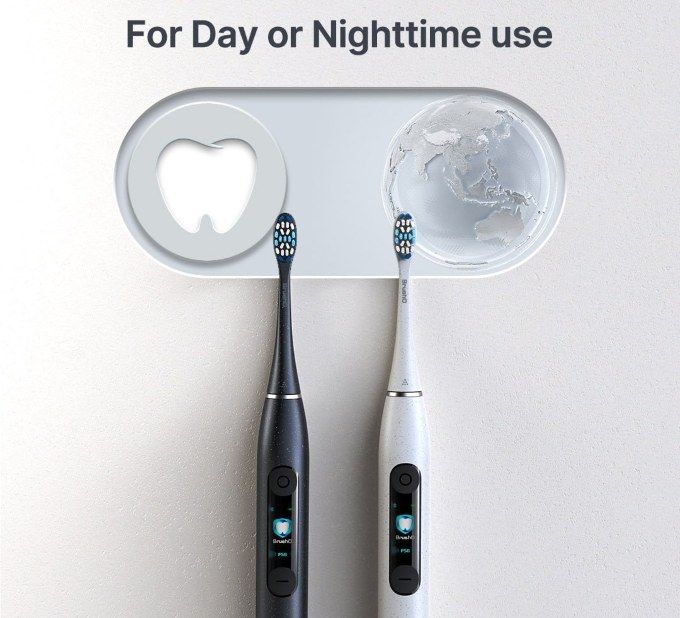
One of the most common reasons for dry mouth is medication. Over 500 types of medications — including antihistamines, antidepressants, and blood pressure drugs — list dry mouth as a side effect. These drugs can interfere with salivary gland function, reducing saliva production throughout the day.
• Speak with your doctor about alternatives.
• Stay hydrated.
• Use a gentle toothbrush like BrushO, which protects sensitive gums when saliva is low.
If you wake up with a dry mouth, mouth breathing during sleep might be to blame. Conditions like sleep apnea, snoring, or nasal congestion force you to breathe through your mouth, drying out saliva quickly.
• Try sleeping on your side.
• Use a humidifier in your bedroom.
• Brush with BrushO’s Gum Care mode at night to prevent irritation from dryness.
Sometimes, dry mouth is as simple as not drinking enough water. High caffeine or alcohol consumption and hot weather can also dehydrate you.
• Drink water throughout the day.
• Avoid sugary or carbonated beverages.
• Use BrushO after meals to refresh your mouth gently without drying agents.
Health conditions like diabetes, Sjögren’s syndrome, stroke, or nerve injuries can affect your ability to produce saliva. In these cases, dry mouth might be chronic and require ongoing care.
• Regular checkups with your dentist.
• Use fluoride toothpaste.
• Choose soft-bristle toothbrushes like BrushO, which support sensitive mouths.
Believe it or not, stress and anxiety can contribute to dry mouth. When your body enters “fight or flight” mode, it reduces saliva flow.
• Practice stress management (deep breathing, stretching).
• Stay hydrated during the day.
• Make brushing enjoyable with BrushO’s personalized modes to encourage daily mindfulness.
While BrushO doesn’t treat dry mouth directly, it plays a vital role in protecting your oral health when saliva levels are low. Here’s how:
• Gentle pressure sensors prevent irritation on dry gums.
• AI-powered brushing guidance ensures no missed spots.
• Hydration-friendly design encourages brushing without over-drying.
• Scoring system helps build habits even when discomfort makes brushing feel like a chore.
Dry mouth isn’t just a small inconvenience — it’s a red flag that your body needs support. Whether it’s caused by medications, sleep habits, or dehydration, understanding the root cause is the first step toward relief. By combining smart daily brushing with BrushO and proper hydration, you can keep your mouth comfortable, your teeth protected, and your smile strong — even when saliva is in short supply.

A review of evidence-based preventive strategies in dentistry including topical fluoride applications, pit and fissure sealants, remineralization therapies, and community-level caries prevention programs.

An in-depth look at surgical periodontal therapy including modified Widman flap, osseous resective surgery, guided tissue regeneration (GTR), bone grafting materials, and soft tissue grafting for mucogingival defects.

An overview of cone-beam computed tomography (CBCT) applications in modern dentistry, covering diagnostic capabilities, radiation dose considerations, and integration with digital treatment planning workflows.

A clinical guide to dental anesthesia modalities including local infiltration, nerve blocks, nitrous oxide sedation, IV sedation, and general anesthesia. Discusses patient assessment, safety protocols, and managing dental anxiety.

A comprehensive comparison of porcelain veneers and composite bonding techniques for aesthetic smile design. Covers indications, longevity, cost considerations, preparation requirements, and clinical outcomes for anterior teeth restoration.

A detailed classification and diagnostic guide for non-carious tooth surface loss. Covers etiology, clinical features, and management strategies for each type of tooth wear, including the Tooth Wear Evaluation System (TWES) and contemporary restorative approaches.

An evidence-based guide to the diagnosis and classification of temporomandibular disorders using the DC/TMD criteria. Covers conservative management strategies including occlusal splint therapy, physical therapy, pharmacotherapy, and behavioral interventions, with systematic review data on treatment efficacy.

A systematic overview of full-mouth rehabilitation concepts including occlusal analysis, vertical dimension determination, diagnostic wax-up, and phased treatment sequencing. Discusses contemporary digital workflows and material selection for complex prosthodontic cases.

A practical guide to opportunistic oral cancer screening in general dental practice. Reviews risk factors, clinical features of potentially malignant disorders, adjunctive screening technologies, and biopsy protocols to improve early detection rates and patient survival.

A comprehensive review of the biological mechanisms underlying osseointegration, from initial blood clot formation and protein adsorption to bone remodeling. Examines modern implant surface technologies including SLA, anodization, hydroxyapatite coatings, and nanostructured surfaces, with evidence-based comparisons of clinical outcomes.

एक मौखिक स्वास्थ्य डेटा नेटवर्क जल्दी और कम लागत पर इस तरह से बनाएं जिसमें हर कोई भाग ले सके।


Address: RM 1427, 14/F RADIO CITY 505, HENNESSY RD CAUSEWAY BAY, HONG KONG
Code: 000000
Phone: +852-53758652
Email: customerservice@brusho.com