
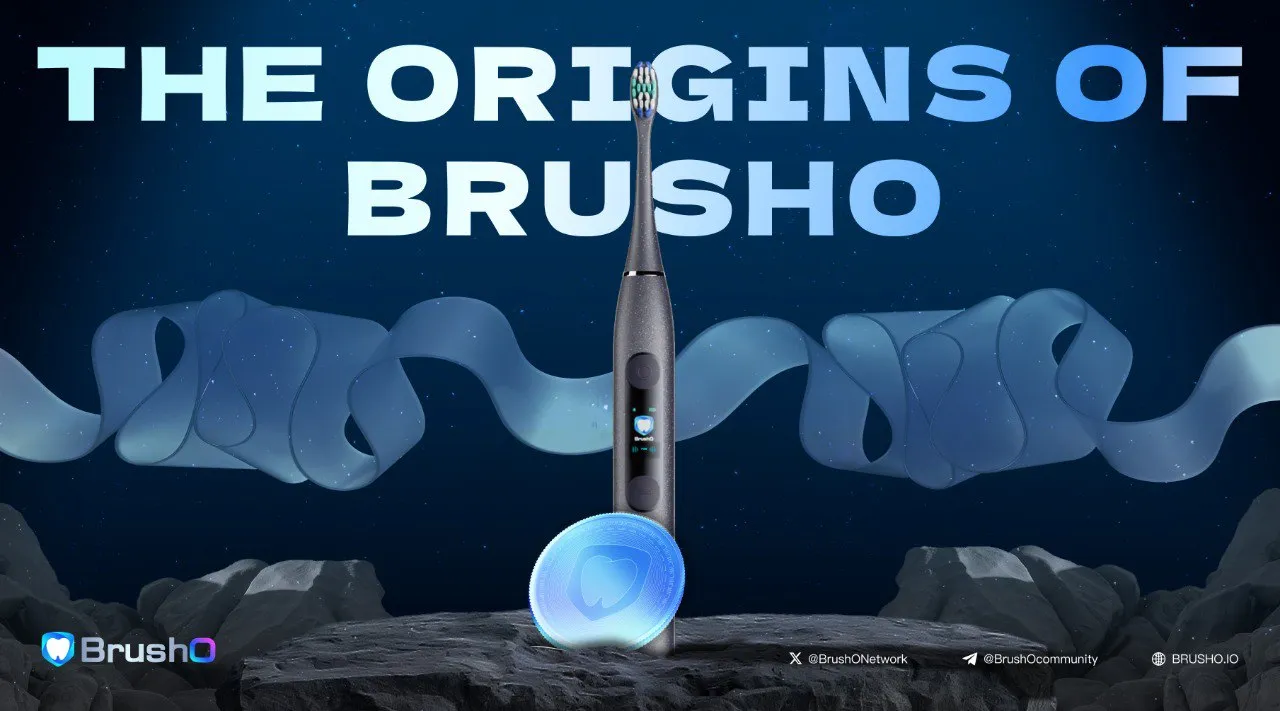
Oral health is becoming a significant concern worldwide, with many people struggling with dental issues due to a lack of effective preventive and care measures. In response, the BrushO team is dedicated to improving oral health for everyone. With over 20 years of experience in designing and manufacturing toothbrushes and other smart hardware, BrushO initiated the FSB fully smart toothbrush project in 2021. By 2022, the first smart toothbrush model, FSB100, had completed testing and mass production. In 2023, the trial version of the smart toothbrush, model FSB200, earned certifications from IPX7, CE, RoHS, FCC, SGS, and the FDA (Test Report).
Studies show that electric toothbrush users have 21% less plaque and 11% less gingivitis compared to manual toothbrush users, with a 62% decrease in the frequency of gingivitis and gum bleeding. BrushO’s smart toothbrushes outperform even electric toothbrushes in cleaning ability and brushing experience. Our unique AI Brush (FSB-Full Smart Brushing) technology monitors users’ brushing behavior in real-time, helping them develop good brushing habits and acting as a personal oral health guardian. We believe that BrushO smart toothbrushes make oral care more efficient and professional.
However, the challenge lies in promoting BrushO smart toothbrushes globally, from markets like Europe and North America, where smart electric toothbrushes are widely accepted, to regions like Southeast Asia, where their adoption is low.
In 2023, the concept of DePIN (Decentralized Physical Infrastructure) emerged, with successful projects like Helium, Hivemapper, and Dimo inspiring us. We realized that creating a user-driven decentralized ecosystem — BrushO Network — could solve our challenges.
First, it lowers the barrier for user participation. Our market research indicates that price is a significant factor for users choosing a toothbrush. With BrushO Network, users can earn money through healthy brushing habits and contributions to the oral health industry, making purchasing and using BrushO smart toothbrushes both a health and a financial investment.
Secondly, the lack of oral health data in the industry severely hampers its development. While companies like Philips and Oral-B might gather some user data through their products, this data is incomplete, and there are customer concerns about excessive data collection. People are unsure which of their data is being collected and worry about potential misuse or leaks from centralized servers. The only certainty is that the value generated by their private data does not benefit the data contributors. BrushO Network uses data encryption and blockchain technology to give users ownership and control over their data, ensuring privacy while turning data into monetizable digital assets. Industries like daily chemicals, beauty, insurance, and healthcare can access high-quality, real, and compliant oral health data through BrushO Network, accelerating product development, reducing costs, and launching more competitive products. We believe that BrushO Network will transform the industry, elevating global oral health standards.
Lastly, the network effect of DePIN is remarkable. Projects like Helium, Hivemapper, and Dimo have achieved in months what traditional companies take years or even decades to accomplish, with minimal marketing costs. DePIN will accelerate the development of BrushO Network, a topic we will explore in detail in future articles.
Unlike typical DePIN projects emphasizing the ‘Earn’ aspect, like Move to Earn or Drive to Earn, BrushO introduces Brush and Earn. Brushing teeth is a daily necessity, and the primary goal of encouraging the use of BrushO smart toothbrushes is to maintain oral health, free from pain, cavities, periodontitis, and tooth loss. Earning is a bonus, not the main objective. BrushO Network aims to enable users to earn passive income while performing their daily oral care without extra time, effort, or expensive additional equipment. This is crucial for promoting global oral health equity.
BrushO’s mission is to make every brushing session valuable and meaningful. Users of BrushO smart toothbrushes will experience better brushing results, gain insights into their oral health, and receive professional care advice. The Brush and Earn model helps users develop good oral health habits while earning rewards, enhancing global oral health standards. We aspire to create a global oral health ecosystem where everyone can contribute and benefit, with user participation being key. If you are interested in BrushO’s progress, stay tuned for the latest updates.
Aug 2
Jul 17

Squamous cell carcinoma is not a single, uniform disease, and two of its oral variants illustrate the extremes of its behavior. Verrucous carcinoma is a slow-growing, exophytic tumor that almost never metastasizes, while spindle cell carcinoma is an aggressive, sarcomatoid malignancy that can be ...

Most people expect a toothache to be the first sign of pulp disease, but some forms of pulpitis are surprisingly silent. A pulp polyp is the visible result of chronic hyperplastic pulpitis, a condition in which the dental pulp grows out of a large carious opening as a fleshy mass. Recognizing thi...

Dry mouth is not merely uncomfortable; it is a medical condition with real consequences for teeth, speech, swallowing and quality of life. When the salivary glands cannot produce enough saliva, medications called sialogogues can restore some of the missing fluid. Pilocarpine and cevimeline are th...

A blister in the mouth can be the first warning of a systemic autoimmune disease, and two disorders deserve particular attention in the dental chair: pemphigus vulgaris and mucous membrane pemphigoid. Both produce chronic oral ulceration, yet their immunologic targets, clinical behavior and long-...

When infection drains from a tooth, the body often creates a visible escape route, and the dentist must interpret these fistulous openings correctly. A parulis is the common gum boil that signals chronic periapical infection, while an oroantral fistula is a communication between the mouth and the...

Among the fibro-osseous lesions of the jaws, the ossifying fibroma holds a unique position because it is a true neoplasm, unlike the reactive cemento-osseous dysplasia discussed in an earlier article. It grows continuously, expands bone and requires surgical removal, and its cemental variant adds...

Not all keratocystic lesions of the jaw behave alike, and one of the most important distinctions in oral pathology separates the orthokeratinized odontogenic cyst from its better-known relative, the odontogenic keratocyst. Although the two lesions look similar under the microscope at first glance...

Periodontal disease is usually a slowly progressive infection, but a rare form called necrotizing ulcerative periodontitis destroys tissue with alarming speed. Unlike ordinary periodontitis, this condition produces necrotic, cratered papillae, deep pocketing and rapid bone loss, and it appears al...

Every parent has met the child who refuses to eat because of painful mouth sores, and most of these children have one of two viral illnesses: herpangina or hand, foot and mouth disease. Both are caused by enteroviruses, both produce fever and oral ulcers, and both are overwhelmingly common in you...

Cementoosseous dysplasia is one of the most common fibro-osseous lesions found on dental radiographs, yet it is also one of the most frequently misdiagnosed. The lesion replaces normal bone with cellular fibrous tissue and cementum-like material, and it appears in several forms that range from a ...


Address: RM 1427, 14/F RADIO CITY 505, HENNESSY RD CAUSEWAY BAY, HONG KONG
Code: 000000
Phone: +852-53758652
Email: customerservice@brusho.com
