
While brushing and flossing remain the cornerstone of oral hygiene, what you eat also plays a vital role in maintaining strong and healthy teeth. Certain chewing snacks can naturally support oral health by stimulating saliva flow, strengthening enamel, and even cleaning your teeth as you chew. In this article, we explore the best snacks for your teeth—including crunchy vegetables, xylitol gum, and calcium-rich options—while explaining how each choice contributes to your overall dental wellness. Plus, find out how a smart toothbrush like BrushO can complement these natural efforts for a complete oral care routine.
Chewing stimulates saliva production, which is the mouth’s natural defense against harmful acids and bacteria. Saliva helps neutralize plaque acids, remineralize enamel, and wash away food particles. Choosing the right chewing snacks can maximize these benefits and support long-term dental health.
Crunchy foods like apples, celery, and carrots act like natural toothbrushes. Their texture scrubs away plaque as you chew and promotes saliva production.
• Apples: High in fiber and water, apples clean teeth and freshen breath.
• Carrots & Celery: These raw veggies contain vitamin A and help massage gums while clearing food debris.
Tip: Eat raw, not cooked, to maintain texture benefits.
Calcium strengthens tooth enamel and helps maintain bone density in the jaw.
• Cheese: Also rich in phosphates, cheese balances mouth pH and protects against cavities.
• Greek Yogurt: Loaded with probiotics and calcium, yogurt helps fight bad bacteria and strengthens teeth.
Choose plain, unsweetened versions to avoid added sugars that feed harmful oral bacteria.
Gum sweetened with xylitol not only freshens breath but also fights cavity-causing bacteria. Xylitol disrupts bacterial metabolism and helps prevent plaque buildup.
Key Benefit: Chewing xylitol gum after meals reduces acid attacks and supports remineralization.
Hard, fibrous foods like almonds and sunflower seeds stimulate saliva and provide essential minerals like magnesium and phosphorus.
• Almonds: Low in sugar and high in calcium, they’re ideal tooth-strengthening snacks.
• Sunflower Seeds: Rich in nutrients that promote gum health.
Avoid overly salty or sugar-coated versions.
Some sugar-free mints now contain calcium, fluoride, or xylitol, helping to freshen breath and protect enamel at the same time. Be sure to read labels and avoid acidic or erosive ingredients.
Even if a snack seems healthy, it might harm your teeth if it’s:
• Sticky (dried fruits)
• High in sugar (flavored protein bars)
• Acidic (citrus candies, sour gummies)
Opting for whole, crunchy, low-sugar foods can make a big difference in long-term oral health.
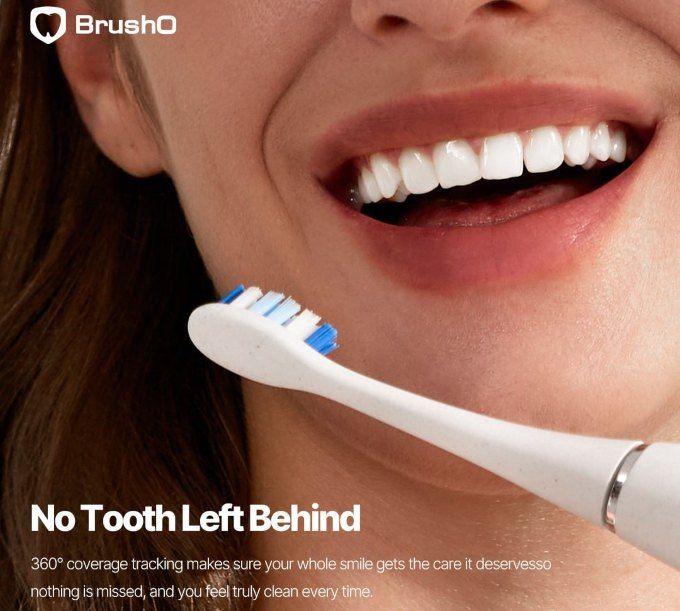
Even the best snacks won’t replace the need for brushing. That’s where BrushO comes in:
• FSB Technology monitors brushing pressure, time, and coverage to prevent enamel damage.
• Smart App shows missed spots and offers customized feedback.
• Reward System: Earn $BRUSH tokens every time you complete your brushing session properly, turning your routine into a rewarding habit.
Pairing the right diet with smart tools makes your oral care more holistic and effective.
Healthy chewing snacks can play a major role in strengthening enamel, reducing plaque, and maintaining a clean mouth throughout the day. When combined with consistent brushing using a smart toothbrush like BrushO, you’re setting yourself up for lifelong oral health.

<p class="lead">For decades, the only response to a carious lesion was to drill and fill it, removing tooth structure to place a restoration. Resin infiltration offers a different philosophy: instead of removing the lesion, it stops the lesion from progressing by sealing it from within. This mini...

<p class="lead">When a primary tooth is severely decayed or damaged, a simple filling is often not enough to restore its function and keep it healthy until it exfoliates naturally. Preformed crowns provide a durable, full-coverage restoration that protects the tooth and maintains space in the arc...

<p class="lead">After months or years of active orthodontic treatment, the teeth are aligned, the bite is corrected, and the braces come off. Yet the treatment is not finished: without retention, the teeth will drift back toward their original positions. Relapse is a natural consequence of the el...

<p class="lead">Primary herpetic gingivostomatitis is the first infection of the mouth with the herpes simplex virus, and it is one of the most painful conditions a child can experience. Affected children develop fever, widespread oral ulcers, and swollen gums, and they may refuse to eat or drink...

<p class="lead">When a tooth with an apical infection fails to heal after root canal treatment, the endodontist has a limited number of options: retreat the tooth, extract it, or perform periradicular surgery. Apicoectomy, the surgical removal of the root tip and the infected tissue around it, of...

<p class="lead">Osteoradionecrosis of the jaws is one of the most feared complications of radiotherapy for head and neck cancer. It presents as exposed, non-healing bone within the radiation field, causing pain, infection, and fistula formation, and it can severely impair the patient's quality of...

<p class="lead">Mucocele and ranula are the two most common benign lesions of the minor and sublingual salivary glands. Both arise from the obstruction or rupture of a salivary duct, producing a fluid-filled swelling that is usually painless but cosmetically and functionally troublesome. This art...

<p class="lead">Injury to the inferior alveolar or lingual nerve is among the most feared complications in dentistry, producing numbness, tingling, or altered sensation in the lip, chin, and tongue that can persist for months or years. Although rare, these injuries cause significant distress and ...

<p class="lead">The success of a composite restoration depends less on the resin itself than on the quality of the bond between the material and the tooth. Modern adhesive systems have transformed restorative dentistry by making micromechanical attachment to enamel and dentine predictable and dur...

<p class="lead">Bitewing radiographs are the single most valuable imaging tool for the detection of caries, particularly the interproximal lesions that are invisible to the naked eye and frequently missed on clinical examination alone. Yet their use must be balanced against radiation exposure and...

Быстро и недорого построить сеть данных о здоровье зубов, способную создавать каждый.


Address: RM 1427, 14/F RADIO CITY 505, HENNESSY RD CAUSEWAY BAY, HONG KONG
Code: 000000
Phone: +852-53758652
Email: customerservice@brusho.com